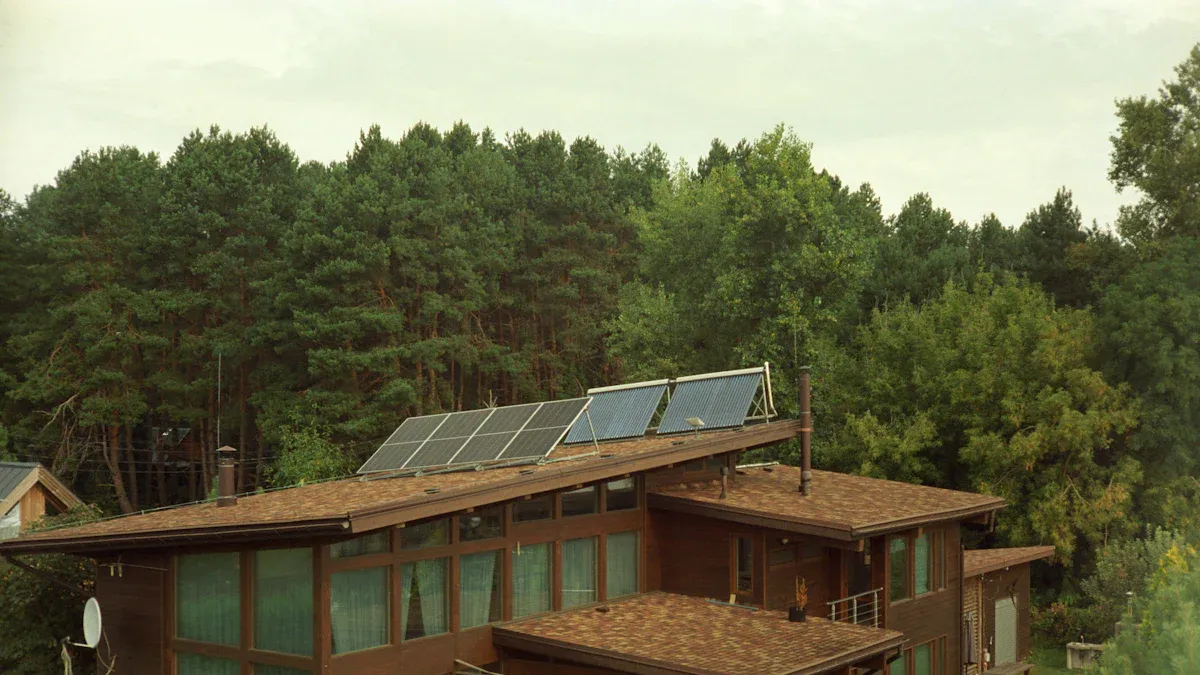
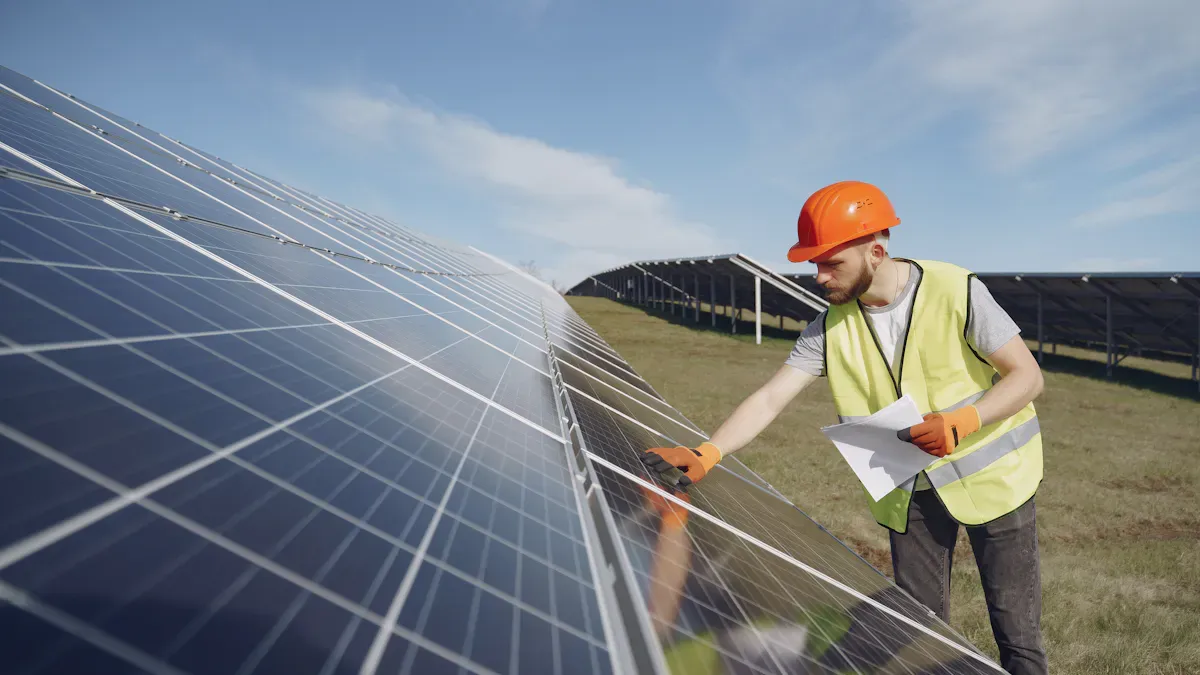
The main difference between active and passive solar energy is how technology is used to capture sunlight. Both types let you use renewable energy, but they work in different ways.
You might think passive solar design costs a lot or is hard to use, but it uses easy ideas that make homes comfy and save money. Both systems help the planet and lower your carbon footprint.
Key Takeaways
Active solar energy uses machines like solar panels to make electricity. Passive solar energy depends on smart building design to trap and keep heat. Passive solar energy does not cost much and needs little care. It is a good choice for new homes built for sunlight. Active solar systems can be put on old buildings. They let you control your energy use more. But they cost more at first and need more care. Think about your weather and building design before you pick a solar energy system. This helps you get the most comfort and save energy. Look at your budget and energy needs to choose between active and passive solar energy. Each one has special good points and costs.
What Is Passive Solar Energy
How Passive Solar Energy Works
Passive solar energy helps heat, cool, and light your home. It does not use machines or electricity. This method depends on smart building design. Sunlight comes in through windows and warms floors and walls. These surfaces keep the heat during the day. At night, they let the heat out. You do not need pumps or fans for this. The sun’s path and your home’s materials do the work.
Tip: Passive solar energy design can make your home comfy and help you save money.
Key ideas for passive solar energy are:
Pointing the building to get the most sunlight
Using heavy materials like stone or concrete to hold heat
Putting windows in good spots and picking the right size
Adding shades to block too much sun in summer
Thinking about the sun’s path and your local weather
Using strong building materials
Passive Solar Design Features
Passive solar energy designs have many helpful features. These features let you use the sun’s energy in easy ways. The table below lists common building features and what they do:
Needs little care because there are no moving parts
Hard and costly to add to old buildings
Lowers the need for outside heating and cooling
Only helps with heating or cooling, not electricity
Works quietly with no noise
You do not need to worry about noise or lots of care. But you need good sunlight for it to work best. It is hard and expensive to add to old buildings. Passive solar energy works best if you plan for it from the start.
What Is Active Solar Energy
How Active Solar Energy Works
Active solar energy uses machines to collect sunlight. Pumps, fans, and solar panels work together in these systems. These parts help turn sunlight into heat or electricity for homes and businesses.
Here is how most active solar energy systems work:
You can save money and help the planet with active solar energy. You may need to spend more at first and make space for the equipment. Solar panels and other parts work best when you get plenty of sunlight.
Active vs Passive Solar Energy: Key Differences
Technology and Components
When you look at active and passive solar energy, you see they use different things. Active solar energy uses machines to get sunlight and turn it into power or heat. You will see solar panels, pumps, and batteries in these systems. These parts work together to make electricity or heat from the sun.
Tip: If you want more control and technology, pick active solar energy. If you want something easy, passive solar energy is a good choice.
Applications and Use Cases
Active solar energy can do many things. It can power your lights, heat your water, and run machines at home or work. Solar panels on your roof make electricity you can use now or save for later. In big buildings, active solar energy can help lower bills and help the planet.
Passive solar energy is best for heating and lighting. You can design your house to let in more sun in winter and block it in summer. This keeps your home warm or cool without using extra energy. The table below shows how people use passive solar energy:
Use Case
Description
Space Heating
Uses sunlight to warm rooms and lower heating costs
Natural Lighting
Lets in daylight to reduce the need for electric lights
Natural Cooling
Uses windows and vents to keep your home cool without machines
When you compare active and passive solar energy, active systems can do more jobs. Passive systems are great for heating and lighting.
Installation and Maintenance
Active solar energy systems take more work to put in. You need to set up solar panels, connect wires, and add pumps or batteries. This takes time and costs more at first. You also need to check and fix these parts sometimes.
Passive solar energy is easier if you plan for it when building your home. You pick the right windows, walls, and materials. You do not need to worry about machines breaking. Maintenance is easy because there are no moving parts.
Note: If you want less work and lower costs over time, passive solar energy is smart. If you want more power and control, active solar energy is better, but you must take care of the equipment.
Efficiency and Performance
Active solar energy systems are usually better at making energy. They use machines to collect, store, and use sunlight, even if the weather changes. You can store extra energy in batteries and use it when you need it. This means you get steady power for your home or business.
Passive solar energy depends on your building’s design and the weather. It works best if your house faces the sun and uses the right materials. If you live where it is sunny, passive solar energy can heat and light your home well. If you have lots of cloudy days, it may not work as well.
Active solar energy can store energy for later.
Passive solar energy uses heat right away or keeps it in walls and floors for a short time.
Costs and Flexibility
When you look at costs, active solar energy costs more to put in. You pay for solar panels, batteries, and other equipment. You also pay more to keep the machines working.
Passive solar energy costs less at the start. You spend money on design and building materials. After that, you pay very little to keep it going. The table below shows the cost differences:
System Type
Installation Cost Range
Maintenance Cost
Efficiency Description
Active Solar
$2,000 - $4,000
Higher
More efficient, no need for backup unit
Passive Solar
$1,000 - $4,000
Lower
Less efficient, may need backup system
Active solar energy is more flexible. You can add it to old buildings or use it in many places. You can also make it bigger by adding more solar panels or batteries. Passive solar energy works best in new buildings or when you can change the design.
Remember: Think about your budget, your building, and your energy needs before you choose between active and passive solar energy.
Choosing the Right Solar Energy System
Homeowner Considerations
When you choose between solar energy systems for your home, you need to think about your goals and your house. If you want more control over your energy, active solar energy gives you that. You can use solar panels to make electricity or heat water. If you want a simple system that costs less and needs little care, passive solar energy is a smart choice.
Do you want a system that works with little upkeep?
Do you need to make your own electricity?
Passive solar energy works best in new homes because you can design for sunlight. Active solar energy can fit older homes because you can add solar panels and other parts.
Business Needs
Businesses have different energy needs. If your business uses a lot of power, like a factory, you may need active solar energy. This system can give you a lot of electricity. If you run a small shop or office, you can use passive solar energy to save money on heating and cooling. Good building design helps you use less energy.
Large businesses often need active solar energy for high energy use.
Small businesses can use passive solar energy to cut costs.
Climate and Building Design
Your local climate changes how well solar energy systems work. In cold places with lots of sun, passive solar energy can keep your building warm. In mild climates, you can use both systems. Building design also matters. You should face your building toward the sun and use thick walls to hold heat.
Climate Zone
Characteristics
Cold climates
Long heating seasons, good winter sun
Temperate climates
Moderate heating needs, enough solar resources
High-altitude areas
Clear skies, strong sunlight
Stable weather
Predictable sun and temperature
You can make your building better for passive solar energy by:
You should match your budget and goals to the right solar energy system. Passive solar energy costs less to install and needs little care. It can save you $800 to $2,500 each year on heating. Active solar energy costs more at first but can save up to 75% on energy for heating water or running machines. Most active solar energy systems pay for themselves in 7 to 10 years.
Think about:
How much you want to spend now
How much you want to save later
If you want to make your own electricity or just heat and light
Tip: Write down your needs and talk to a solar expert. You can find the best system for your home or business.
You have learned how active and passive solar energy are different. Active solar energy uses machines and costs more money. It gives you more control and works better. Passive solar energy uses smart building design. It needs almost no care or fixing.
Think about your building, your money, and what energy you need. You should ask a solar expert before you choose. Start making your solar energy plan today!
FAQ
What is the main benefit of passive solar energy?
You save money on energy bills. You do not need to buy or fix machines. Your home stays comfortable with smart design. You help the environment by using less electricity.
Can you add passive solar features to an old house?
You can add some features, like window shades or extra insulation. You may find it hard to change the building’s shape or window placement. You get the best results when you plan for passive solar from the start.
How long does it take for active solar panels to pay for themselves?
Most solar panels pay for themselves in 7 to 10 years. You save money each month on your energy bill. The time depends on your energy use and local sunlight.
Do active solar systems work on cloudy days?
Yes, active solar systems still work on cloudy days. You get less energy than on sunny days. Many systems store extra energy in batteries for later use.