When you pick between high-voltage and low-voltage batteries, the best choice depends on what you need. You should choose the battery type that fits your use. This could be for your home, business, or charging an electric vehicle. Important things to think about are how well it works, how safe it is, and how much it costs.
User Type | Recommended Battery | Reason |
Residential Users | Low Voltage (48V) | It is safer to install, works with hybrid inverters, and is enough for daily use under 10 kWh. |
Commercial & Industrial | High-Voltage Energy Storage | It lets you store more energy and supports faster charging and discharging. |
EV Charging Integration | High Voltage | It fits the fast-charging needs of electric vehicles. |
Key Takeaways
Pick the right battery for what you need. Low voltage is safer and simpler for homes. High voltage works better for businesses and fast charging. High voltage batteries work better and charge faster. They use less energy, so they are good for quick power. Always look at the voltage rating before you connect a battery. This helps stop damage to your devices. Think about how much it costs to install. High voltage systems use smaller cables. This makes them cheaper and easier to put in for big jobs. Safety is very important. Low voltage batteries are safer for homes. High voltage batteries need special safety parts and trained people to install them.
Voltage Basics in Energy Storage
What Is Voltage?
Voltage is what pushes electric current in a circuit. Think of voltage like water pressure in a pipe. It helps electricity move from one place to another. If the voltage is higher, the force is stronger. In batteries, voltage shows how much energy each charge can give.
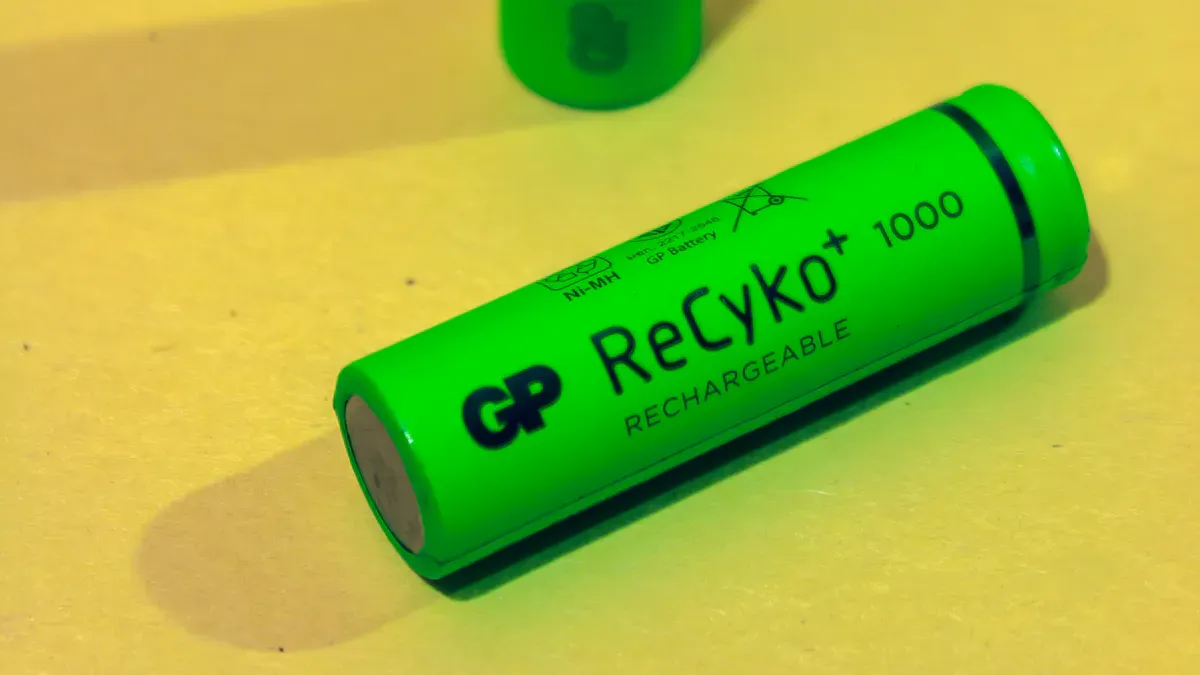
Voltage is measured in volts (V). Most AA or AAA batteries have 1.5 volts. Bigger systems, like solar panels or electric vehicles, use higher voltages. You need to know the battery’s voltage before using it with your devices.
Tip: Always look at the voltage rating before you connect a battery. The wrong voltage can hurt your devices or make them work badly.
Why Voltage Matters for Batteries
Voltage is important for how your battery system works. High voltage batteries give the same power as low voltage ones but use less current. This means less energy is lost as heat, so you get more energy to use. High voltage systems can reach 94–97% efficiency. Low voltage systems usually get 90–93%.
High voltage batteries can store more energy in less space. They are good if you want a small system with lots of power. They also charge and discharge faster. This helps when you need quick energy, like during busy times.
High voltage: More efficient, smaller, charges faster.
Low voltage: Easier to set up, safer for homes, good for daily use.
When you choose a battery, think about how much energy you need. Also, think about how fast you want to use it and how much space you have. Voltage helps you pick the best battery for your needs.
High Voltage vs. Low Voltage Defined
![High Voltage vs. Low Voltage Defined]()
Image Source: pexels
Voltage Ranges and Standards
You must know the voltage range before picking a battery. The industry has rules for high voltage batteries and low voltage batteries. High voltage batteries have a range from 400 to 600 volts. You get high voltage by linking many battery packs in a row. These batteries are good for big energy storage and fast charging.
Low voltage batteries have a range from 48 to 60 volts. You can link these batteries side by side, not in a row. They cost less and need simple battery management systems. Low voltage batteries are common in homes and small businesses.
Battery Type | Voltage Range | Characteristics |
Low-Voltage | 48–60V | Not linked in a row; can be linked side by side; simple BMS; lower price. |
High-Voltage | 400-600V | Made by linking packs in a row; higher voltage for energy storage. |
Note: Always check the voltage range before you put in a battery. This helps you match the battery to your system and keeps things safe.
Battery Chemistries and Voltage
Different battery chemistries give different voltage levels. Lithium-ion batteries are used for both high voltage batteries and low voltage batteries. High voltage batteries are seen in big businesses because they store more energy and give power fast. Lead-acid batteries are often low voltage batteries. They are simple and safe for homes.
High voltage batteries use advanced chemistries like lithium iron phosphate or nickel manganese cobalt. These chemistries help batteries reach higher voltages and last longer. You get more efficiency and faster charging with high voltage batteries. Low voltage batteries use basic chemistries and are good for daily energy needs.
Tip: If you want a high voltage battery for your business or EV charging, pick lithium-ion. For home backup, a low voltage battery with lead-acid chemistry may be enough.
High-Voltage Energy Storage vs. Low Voltage: Key Differences
Efficiency and Energy Output
There are big differences in efficiency between high voltage and low voltage batteries. High-voltage energy storage systems move energy better. They use less current for the same power. This means less heat and less energy lost. The formula P = VI explains this. When voltage goes up, current goes down. Lower current means less energy lost in the wires. This makes the system work better.
High voltage batteries can be up to 98.5% efficient. Most low voltage batteries do not reach this.
High voltage systems can go up to 1500V. Low voltage batteries are usually under 1000V.
High voltage batteries lose less energy as heat. You get more energy to use.
High voltage batteries need less wiring. This is good for big buildings or factories.
Low voltage batteries are good for small setups. They are less efficient but work for homes.
High voltage batteries can give more power quickly. This helps with sudden energy needs. Low voltage batteries give steady power for normal use.
Charging and Discharging Rates
Charging and discharging rates are also different. High-voltage energy storage systems charge and discharge much faster. Higher voltage lets energy move quickly.
High voltage batteries charge fast. They are good for electric vehicles or big machines.
High voltage batteries handle quick energy needs. They help with fast power surges.
High voltage batteries make inverters work less. This saves energy during charging and discharging.
Low voltage batteries charge and discharge slower. They are best for daily use in homes or small businesses.
If you need energy fast, choose high voltage batteries. If you want slow, steady power, low voltage batteries are better.
Installation and Cost
Installation and cost matter when picking a battery. High-voltage energy storage systems use smaller cables. This lowers costs and makes setup easier. Low voltage systems need thicker cables. This makes them cost more and harder to install.
High voltage batteries are easier to install. You use smaller cables and less material.
Low voltage batteries need thick cables for more power. This makes setup harder and more expensive.
High voltage batteries are best for big projects. They keep costs lower and work well for large systems.
Here is a table to show average costs:
Cost Aspect | Details / Range |
Average Installed System Cost | $6,000 to $23,000 (parts and labor included) |
Battery Unit Price | $6,000 to $12,000 (hardware only) |
Installation Labor | $1,000 to $2,000 |
Ongoing Maintenance | $150 to $300 per year |
You should think about both starting and yearly costs when planning your energy storage.
Safety Aspects
Safety is very important when choosing a battery. High voltage batteries have more risk because of higher voltage. They need special safety features to protect people and property. Low voltage batteries are safer for homes, but you still need to be careful.
Battery Type | Safety Risks |
Lithium-Ion | High risk of fire and thermal runaway; needs advanced safety systems. |
Lead-Acid | More stable and less fire risk, but can make hydrogen gas if not vented. |
Solid-State | Safer than lithium-ion; less fire risk, but not ready for most people yet. |
Flow Batteries | Low fire risk with outside tanks; needs more space and care. |
High-voltage energy storage systems use special safety tools:
Safety Feature | Description |
High-Voltage Interlock system (HVIL) | Watches high-voltage parts and cuts power if something is wrong. |
Mechanical Safety Disconnect (MSD) | Lets you turn off the circuit by hand for safety or repairs. |
Fuses | Stop overloads by melting and breaking the circuit if it gets too hot. |
Insulation Control Boards | Check insulation to stop short circuits and keep people safe. |
Connectors | Made for better insulation and safety, stopping direct contact and making sure connections are right. |
Contactors | Open the circuit in emergencies to stop damage to the battery or system. |
You will also see relays and fuses that shut down high voltage lines if something goes wrong. These features help keep you safe with high voltage batteries.
Tip: Always have a trained expert install and check high voltage batteries. This lowers the chance of accidents and keeps your system safe.
When you compare them, high voltage batteries are more efficient, charge and discharge faster, and are easier to install for big projects. Low voltage batteries are safer and simpler for homes. Pick the one that fits your needs and always think about safety.
Energy Storage Applications and Use Cases
![Energy Storage Applications and Use Cases]()
Image Source: pexels
Residential Backup
You want your home to have power all the time. Low voltage batteries are best for most homes. These batteries are safer and simple to put in. You can pick lithium-ion batteries if you want more energy and fast charging. Lithium iron phosphate batteries last longer and are safer. Lead-acid batteries cost less but need more care and do not last as long. Many people pick lithium-ion batteries because they are light and work well. You can keep extra solar energy for night or when the power goes out. Low voltage batteries work with hybrid inverters and daily home use.
Lithium-ion batteries: Hold lots of energy, work well, small, charge fast.
Lithium iron phosphate: Safer, last longer, steady.
Lead-acid: Cheap, not as good, need more care.
Commercial and Industrial
If you have a business or factory, you need more power. High voltage batteries are good for big jobs and storing lots of energy. These batteries help you use less power when it costs more. You can make your system bigger if you need more energy. High voltage batteries use thin cables, so you spend less on wires. You also save money on other parts. These batteries work better and keep your business running. You can add more batteries as your business grows.
Use less power when it costs more.
Use thin cables and fewer parts.
Make storage bigger as you need it.
Solar Energy Storage
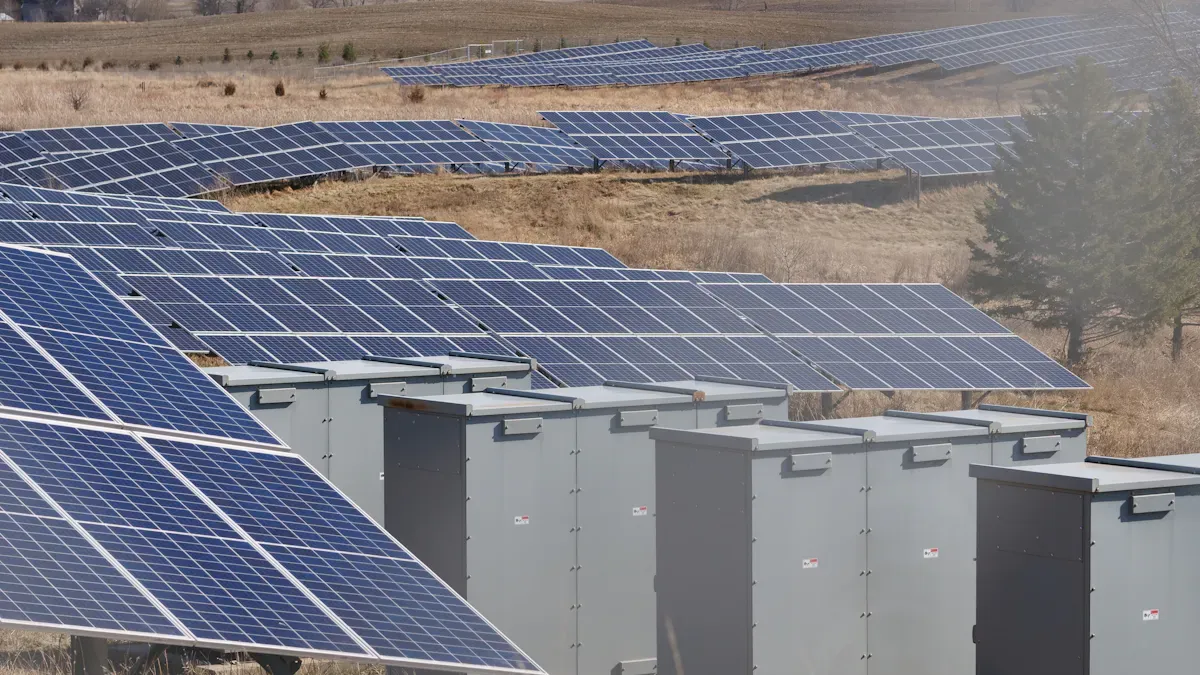
Solar energy storage uses both high voltage and low voltage batteries. You should pick the battery that matches your solar setup. Low voltage batteries are good for homes with solar panels. They store extra energy and give backup power. High voltage batteries are better for big solar setups, like in factories or solar farms. They work better and are more efficient. Real examples show that advanced lead batteries and lead-carbon batteries work well and last a long time. You get batteries that fit your solar system and steady power for your needs.
Location | Description | Battery Type | Performance Highlights |
Belo Jardim, Brazil | Carport with solar panels and storage | Lead-carbon | Backup, peak shaving, up to 10 years at 80% DoD |
Exide Europe, Portugal | Solar powering battery production and recycling | Advanced lead | Cost-effective, reduced carbon emissions |
Rural Communities | Mini-grids for electricity access | Advanced lead | Reliable for cyclic and hybrid installations |
Huzhou, China | Power station with energy storage | Lead-carbon | Frequency and voltage regulation, 48 MWh capacity |
Electric Vehicles
Electric vehicles need high voltage batteries to work better. Most regular EVs use battery packs from 300 to 500 volts. Fancy models use up to 900 volts. High voltage batteries let you charge fast and drive farther. You get quick energy and better use of power. Low voltage batteries do not work for new EVs. High voltage batteries give the power for fast driving and long trips.
Vehicle Type | Voltage Range (V) |
Budget Urban Commuters | 200-360 |
Mainstream EVs | 300-500 |
High-Performance & Luxury EVs | 600-900 |
Tip: Always check what voltage your EV needs to keep it safe and working well.
Safety, Compliance, and Maintenance
Regulatory Standards
You have to follow special rules when using energy storage batteries. These rules keep you and your things safe. Many groups make these rules for both high-voltage and low-voltage systems. The table below shows some important standards:
Standard | Description |
UL 9540A | Test Method for Evaluating Thermal Runaway Fire Propagation in Battery Energy Storage Systems |
IEC 62619 | Safety requirements for secondary lithium cells and batteries for industrial applications. |
IEC 62933 | Guidelines for performance and safety of Battery Energy Storage Systems (BESS) in electrical networks. |
UL 1741 | Safety of inverters, converters, controllers, and interconnection system equipment for energy storage. |
IEEE 1547 | Interconnection requirements for distributed energy resources, including battery energy storage. |
NERC Standards | Standards for the reliability of the bulk power system, including large-scale battery energy storage systems. |
ISO 50001 | Framework for energy management systems promoting energy efficiency and safety. |
CENELEC Standards | Standards related to safety and performance of electrical installations for renewable energy sources. |
Note: Always make sure your battery system meets these standards. This helps you stay safe and follow the law.
Maintenance Needs
You need to look after your battery system to keep it working. The care you need depends on your system’s voltage.
High-Voltage (HV) Systems: You must use strong safety steps. These systems need high voltage protection, insulation, circuit breakers, and advanced monitoring. Only certified professionals should install and maintain them. You must follow safety codes at all times.
Low-Voltage (LV) Systems: These systems are easier to set up and take care of. They have fewer safety needs. Many people can install them without help. These systems are good for homes and small businesses.
Tip: Always read your battery manual and follow the care steps. Check your system often to find problems early and keep it safe.
Choosing the Right Battery
Selection Checklist
You want to pick the best battery for your energy storage. Use this checklist to help you:
Find out how much energy you use each day. Write down your daily power use.
Decide if you need the system for your house, business, or both.
Think about smart energy needs. Do you want to charge an electric car or connect to the grid?
Measure your space. Make sure you have enough room for the battery and other parts.
Plan your budget. Count the cost of the battery, putting it in, and any extra things you want.
You can also follow these steps for more details:
Figure out how much energy you need for your home, small business, or factory.
Work out the battery size you need. Think about your energy use, solar panels, busy times, and backup power.
Pick a voltage and size that matches your inverter and lets you add more later.
Choose a modular system if you want to add batteries in the future.
Make sure your battery has a good battery management system (BMS) and safety features.
Check that your system follows local rules before you put it in.
Tip: If you are not sure about your energy needs or how to set up your system, always ask a professional.
Application Fit
You should pick a battery that matches your main goal. The table below shows which battery is best for different uses:
Battery Type | Ideal Use Cases | Characteristics |
Low-Voltage | Small homes, off-grid cabins, moderate energy needs | Easy to put in and add more batteries |
High-Voltage | Large buildings, factories, fast power delivery | Works well and gives strong power |
You can also look at how you use your energy:
Configuration Type | Description | Typical Applications |
Power Configuration | Gives a lot of power very quickly | Grid support, emergency backup |
Energy Configuration | Gives steady power for a long time | Solar energy shifting, long-term backup |
Pick the battery that fits what you need. If you want fast power, pick high-voltage. If you want steady energy for your home, low-voltage is a good choice.
You have learned the big differences between high-voltage and low-voltage batteries.
Aspect | Low Voltage | High Voltage |
Safety | Safer for most | Needs more safety steps |
Efficiency | Works okay | Works better |
Installation | Simple, easy to do | Needs trained workers |
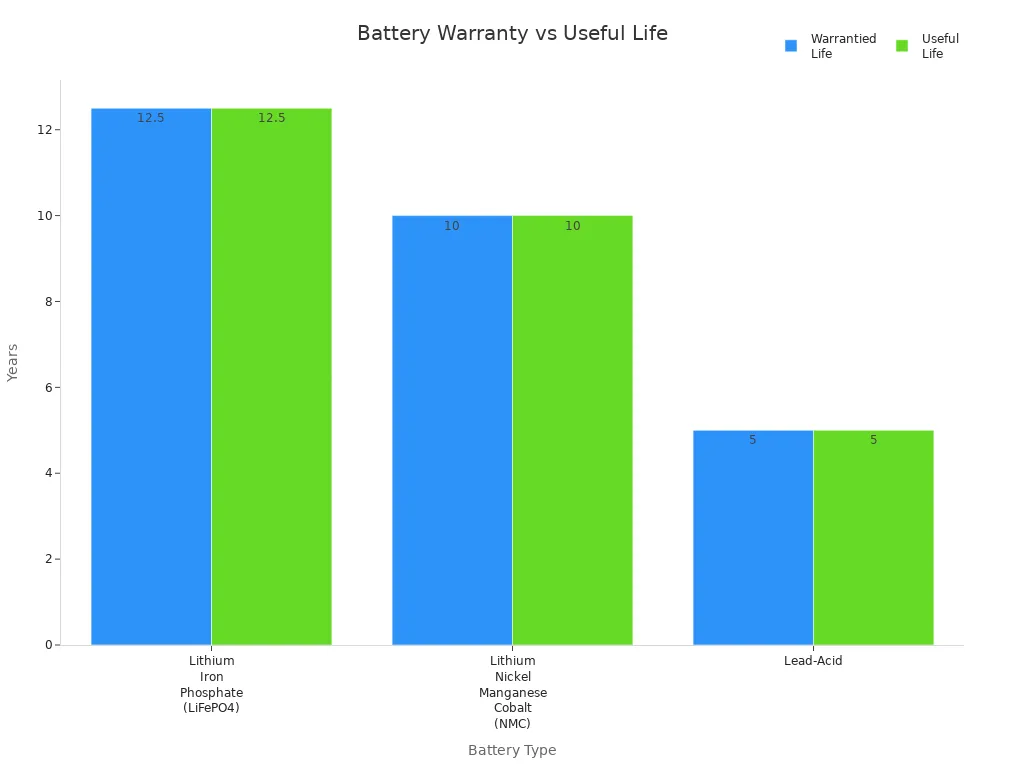
![Bar chart comparing warrantied and useful lifespans of LiFePO4, NMC, and Lead-Acid batteries]()
Look at the checklist above and ask an expert for help. Check your choices and pick the battery that fits you best!
FAQ
What is the main difference between high-voltage and low-voltage batteries?
High-voltage batteries work better and charge faster. Low-voltage batteries are safer for homes. They are also easier to put in. Each battery type is good for different energy needs.
Can you use high-voltage batteries for home energy storage?
You can use high-voltage batteries at home. You need a trained installer for them. These batteries are best for big homes. They are also good if you want to charge electric vehicles quickly.
How do I know which battery voltage is right for my solar system?
Check your inverter and how much energy you need. Low-voltage batteries fit most home solar setups. High-voltage batteries are good for bigger systems. They are best when you need more power.
Are high-voltage batteries safe for grid-scale energy storage?
High-voltage batteries are used for grid-scale energy storage. They need advanced safety systems. Professionals must take care of them to keep things safe and reliable.
What maintenance do energy storage batteries need?
You should check your battery system often. High-voltage batteries need professional care. Low-voltage batteries are easier to look after. Most homeowners can check them themselves.