You can charge an rv battery by hooking it up to a power source, like shore power, a generator, your vehicle’s alternator, or solar panels. Each way works a little differently and has its own good points. Battery type is very important—lithium batteries can last up to 5,000 cycles, but lead-acid batteries usually last 400–800 cycles. How you charge, how much you use the battery, and even the temperature will change how long your battery works.
Key Takeaways
Pick the best way to charge your RV battery. You can use shore power, a generator, an alternator, or solar panels.
Check your battery's charge and terminals before you start charging. This helps keep things safe and makes charging work better.
Use smart chargers so you do not overcharge your battery. This helps your battery last longer.
Keep your battery clean and take care of it. This makes your battery work well and stay safe.
Think about using lithium batteries. They charge faster and last longer than lead-acid batteries.
Ways to charge an rv battery
There are a few good ways to charge an rv battery. Each way has its own steps and things to remember. Let’s look at the main ways to charge an rv battery so you can choose what fits your needs.
Shore power charging
Shore power charging is very common. You plug your RV into a power source at home or a campground. The converter changes the 120V AC power to 12V DC for your batteries.
Tip: Always check your battery’s charge and look at the terminals before starting.
How to hook up RV batteries for shore power charging:
Check your battery’s charge and look for corrosion or loose wires.
Turn off all RV appliances.
Plug your RV’s power cord into a 120V AC outlet.
The converter will start charging your batteries.
Watch the charging and unplug when the battery is full.
Lead-acid batteries need a charging voltage higher than 12.7 volts. Most converters give about 13.5 to 14.5 volts, which is good for charging. Try to keep your battery above 12.0 volts to help it last longer.
If you use a battery charger instead of the converter, connect the charger’s clamps to the battery (positive to positive, negative to negative). Plug the charger into a 120V outlet and turn it on. This works for both lead-acid and lithium batteries.
Generator charging
A generator is helpful when you are not near power. It sends 120V AC power to your RV’s breaker panel. The converter changes this to 12V DC for your battery.
Use an inverter generator with Pure Sine Wave output to protect electronics.
Plug your RV’s power cord into the generator.
Start the generator and let the converter charge the battery.
Note: Turn off things you don’t need while charging to make it faster.
Your generator should give 10–50 amps, which is 120–600 watts of charging power. The converter will charge your batteries at 13.2–14.8 volts, depending on the battery and how full it is. For wet cell batteries, try for 14.4–14.8 volts when charging and 13.2–13.6 volts for keeping them full.
Always use the right cables and clips.
Turn off all devices before connecting.
Watch the battery to avoid overcharging.
Alternator charging
When you drive your RV or tow a trailer, the alternator can charge your house batteries. This is good for topping up batteries while you travel.
Running the alternator at full power for a long time can wear it out.
Practical tips for alternator charging:
Use a battery isolator to charge faster, but watch for alternator wear.
Think about using a battery-to-battery (B2B) charger for better control and to protect your alternator.
To see how much you can charge, multiply half your alternator’s amps by your driving hours.
Tip: Alternator charging is best for quick boosts, not full charges.
Solar panel charging
Solar panels let you use sunlight to charge your batteries. This way is quiet, good for the environment, and great for camping away from power.
Requirement
Value
Charging Voltage
14.4 to 14.8 V
Float Charge Voltage
13.2 to 13.6 V
Recommended Amperage
Varies with voltage
Solar charging depends on sunlight, clean panels, and where you put them. Bigger panels (100–130 watts) work best. If you can’t move your panels, add about 40% more for winter or cloudy days.
Pick campsites with lots of sun.
Keep panels clean for best results.
Move portable panels to follow the sun.
Check for phantom loads in your RV, as they can drain your battery even when nothing is on.
Note: Having extra panels and a backup generator helps on cloudy days.
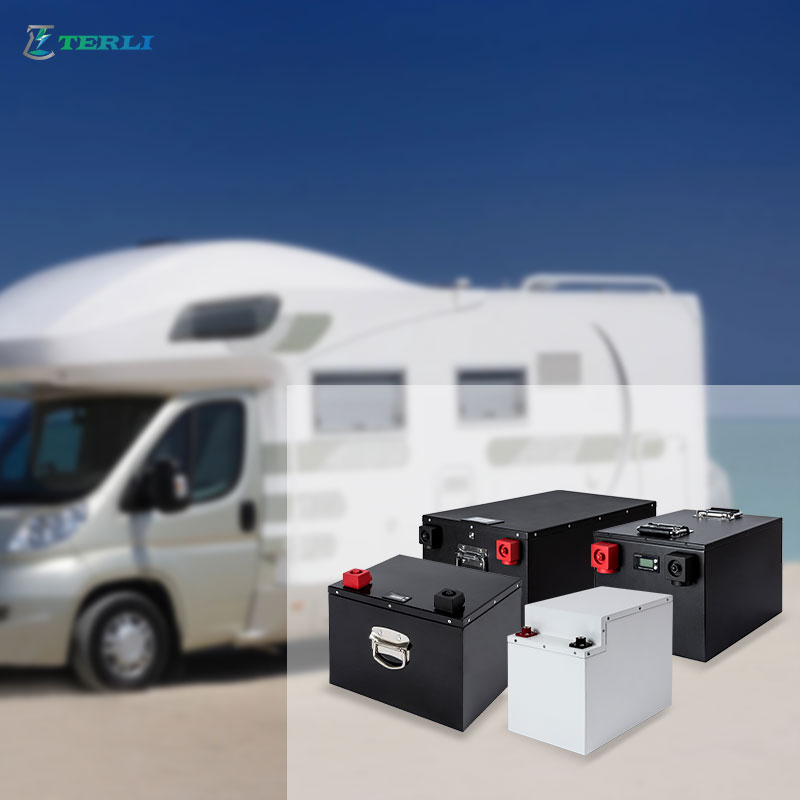
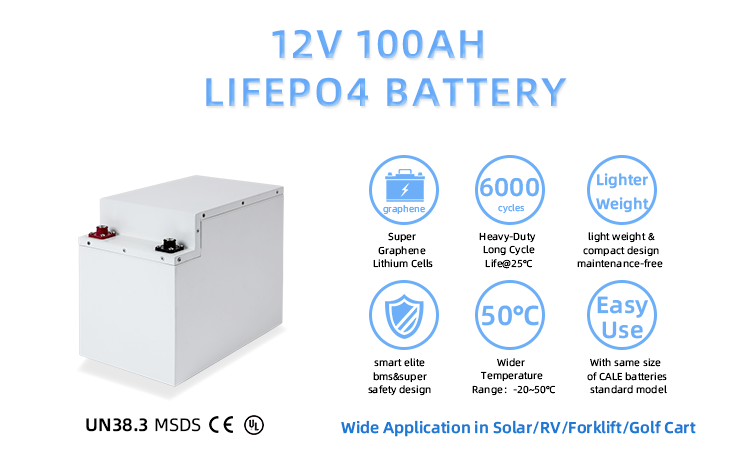
If you use lithium batteries, like Terli’s 48 Volt Lithium-Ion Battery, you get more benefits. These batteries work with most chargers, have safety features, and last longer than lead-acid types. They are a good choice if you want safe, reliable, and strong power for your RV.
By learning the main ways to charge an rv battery, you can keep your trips powered and worry-free.
Charging pros and cons
Shore power
Shore power is the most common way to charge your RV battery. You plug in your RV and the converter charges the battery for you. Here are some good and bad things about shore power:
Pros
Cons
Convenient
Needs access to electrical outlets
Efficient when on the grid
Can’t use during power outages
You get steady power and your battery charges fast at campgrounds. If your battery does not charge, check for a tripped breaker or a blown fuse. A bad converter can also stop charging. Loose wires or dirty terminals can cause problems, too. Always look for these issues before asking for help.
Generator
A generator lets you charge your battery when you camp away from power. It works fast, even if it is cloudy or cold.
Alternator charging is good for topping up your battery on trips. It is best for quick boosts, not full charges. Lithium batteries charge faster, but you may need a special charger to protect your alternator.
Solar panels
Solar panels use sunlight to charge your battery. This way is quiet and good for the environment. You do not need fuel or outlets.
Make sure your charger matches your battery type. Lithium batteries need special chargers. Using a lead-acid charger on lithium can hurt the battery or make it last less time. Charge lithium batteries when they are about 80% empty. Charge lead-acid batteries at 50% empty for best results.
Solar works best in sunny places. On cloudy days, you might need a backup like a generator.
Charge rv batteries safely
General safety tips
You should always stay safe when you charge rv batteries. Here are some simple things you can do:
Choose lithium batteries that have a BMS inside. This keeps them safe from overcharging and getting too hot.
Use a battery monitor or a multi-meter to check voltage and charge levels.
Unplug your charger when your battery is full.
If you follow these steps, you can charge rv batteries safely and help them last longer.
Battery type precautions
Different rv battery types need different care. Lead-acid batteries should stay above 50% charge. Lithium batteries work best if you keep them above 20% charge. Always use a charger that matches your battery type.
For lithium batteries, charge them between 32°F and 122°F. Watch the voltage—keep it between 14.2V and 14.6V for a 12V LiFePO₄ battery. Do not leave any battery plugged in all the time. Clean and tighten your battery terminals often.
If you use Terli’s lithium iron phosphate batteries, you get extra safety. These batteries protect against over-charge, over-discharge, short circuits, nail punctures, and thermal shock. This makes them safer and more reliable than other rv battery types. You can trust them to keep your RV powered and safe on every trip.
You can charge rv batteries with confidence if you follow these tips.
Fastest way to charge an rv battery
Charging speed comparison
You might wonder which charging method gets your RV battery ready the quickest. The answer depends on your battery type and how much current it can handle. Lithium batteries, like Terli’s 48 Volt Lithium-Ion Battery, can take in higher currents safely. This means you can charge them faster with the right charger. Lead-acid batteries need a slower approach. If you push too much current into them, they can heat up or make gas, which can damage them.
Here’s a quick look at how each method stacks up:
Generator or shore power: These can deliver high amps, especially with a smart charger. Lithium batteries can handle this speed, but lead-acid batteries need you to slow down as they fill up.
Alternator charging: Good for topping up while you drive, but not as fast as a generator or shore power.
Solar panels: Great for steady charging, but sunlight and panel size limit the speed.
When you hook up RV batteries, always connect the positive cable first, then the negative. If you use a battery charger, clamp the positive to positive and negative to negative, then plug in and turn on the charger. If your RV battery isn’t charging when plugged in, check for a blown fuse, a tripped breaker, or a bad converter.
You can make charging faster and safer with a few smart moves. Here are some top strategies:
Strategy
Description
Use Smart Chargers
They adjust charging speed and stop when full, protecting your battery.
Charge in Stages
For lead-acid, use bulk, absorption, and float stages for best results.
Keep Batteries at Right Temp
Charge in the ideal temperature range to avoid damage.
Avoid Overcharging
Use a battery monitor and unplug when full.
Try not to run high-drain appliances, like kettles or toasters, while charging. A 1000W kettle can use up nearly 10% of your battery just to boil water! Appliances made for 120V AC use more power than 12V ones.
Terli’s 48 Volt Lithium-Ion Battery stands out for safety and speed. It resists over-charge, over-discharge, short circuits, nail punctures, and thermal shock. It’s lighter, maintenance-free, and works with most standard chargers. You get thousands of cycles and built-in protection.
If you want the fastest way to charge an rv battery, use a smart charger with a lithium battery and avoid running big appliances during charging. This keeps your battery healthy and your RV ready for adventure.
You can charge an rv battery in a few ways. You can use shore power, a generator, an alternator, or solar panels. Each way has good and bad points. Shore power is simple but you need an outlet. Solar panels are quiet but only work with sunlight. Always pick the right charger for your battery type. To stay safe, check the voltage, unplug the cables, and watch the charging. Terli’s 48 Volt Lithium-Ion Battery is very safe and works with most chargers. For more help, look at RV battery guides and the maker’s resources.
FAQ
How do you hook up RV batteries?
First, connect the positive cable to the battery’s positive terminal. Next, attach the negative cable to the negative terminal. Make sure the cables are tight and clean. Check for corrosion or loose wires before starting.
How can you charge RV batteries with a battery charger?
Clamp the charger’s positive lead to the battery’s positive terminal. Then, attach the negative lead to the negative terminal. Plug the charger into a 120V outlet. Turn it on and watch the battery’s voltage. Unplug the charger when the battery is full.
Why isn’t my RV battery charging when plugged in?
A blown fuse, tripped breaker, or bad converter could be the problem. Dirty or loose battery terminals can also cause issues. Check each part and clean the terminals. If you still have trouble, ask a technician for help.
What makes Terli’s 48 Volt Lithium-Ion Battery safer?
Terli’s battery protects against over-charge, over-discharge, short circuits, nail punctures, and thermal shock. It has built-in protection, lasts thousands of cycles, and is lighter. It works with most standard chargers and does not need maintenance.
Can you use a lead-acid charger for lithium batteries?
Yes, you can use most standard lead-acid chargers for Terli’s lithium batteries. Set the charger correctly. The battery’s built-in protection keeps it safe from overcharging and overheating.