Trolling motor battery life means how many years you get before you need a new battery. Run time means how many hours your battery powers your motor per charge. Many things change both, like battery type, how you use it, and how well you take care of it.
Key Takeaways
Lithium batteries can last up to 12 years. This makes them a smart buy for boaters.
If you charge your battery after each use, it will last longer. Keeping the terminals clean also helps the battery last longer.
AGM batteries need less care than lead-acid batteries. They also last longer, so they are a good choice.
You should know your battery’s capacity. Match it to your motor’s needs for better performance and longer use.
Look for signs like shorter run time or slow charging. These signs tell you when to get a new battery.
Trolling Motor Battery Lifespan
Knowing how long your trolling motor batteries last helps you plan your trips. Each battery type has a different marine battery lifespan. You should learn what to expect from each one. Your habits can change how long the battery lasts.
Lead-Acid Battery Lifespan
Lead-acid batteries are popular because they cost less and are easy to buy. These batteries usually last from 1 to 3 years. How you use and care for them affects their lifespan.
Lead-acid trolling motor batteries last about 1 to 3 years.
Lifespan changes with how you use and maintain them.
You can make your lead-acid battery last longer by doing these things:
Use the right charger so you do not damage the battery.
Recharge the battery fully after every use.
Keep the battery charged between 50% and 75% when storing it.
Check the voltage often and do not drain the battery all the way.
Use a low-voltage disconnect to stop over-discharging.
Keep the terminals clean and tight for good power flow.
Tip: Taking care of your battery and charging it right helps it last longer.
AGM Battery Lifespan
AGM batteries last longer than regular batteries. They usually last about 3 to 4 years. AGM batteries do not need much care, so you do not have to add water. They can handle bumps and shakes, which is good for boats. They work well with deep cycling, so they last longer than lead-acid batteries.
AGM batteries need little care and no water refilling.
They resist bumps and shakes, which is important for boats.
Deep cycling helps AGM batteries last longer than regular ones.
If you want a battery that lasts longer and needs less care, AGM batteries are a good pick.
Lithium Battery Lifespan
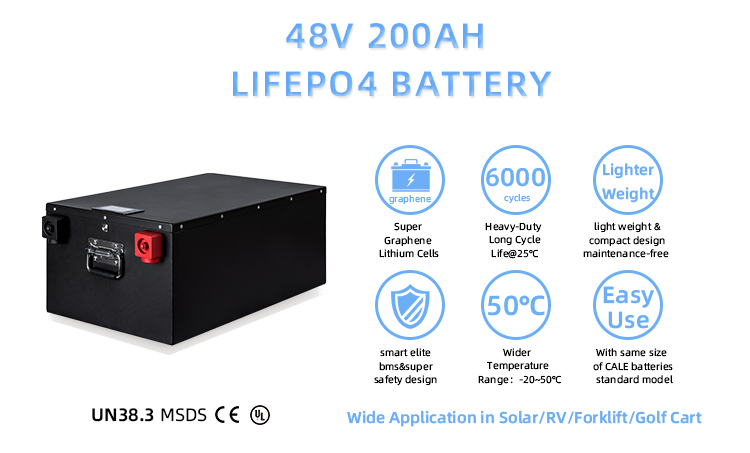
Lithium trolling motor batteries are a big improvement for boaters. Lithium batteries can last 4 to 8 years or even more if you take care of them. Some lithium batteries last up to 12 years. Their long life comes from their advanced design and technology.
Battery Type
Cycle Life (Charge Cycles)
Depth of Discharge
Performance Characteristics
Lithium (LiFePO4)
2,000 - 5,000
80%
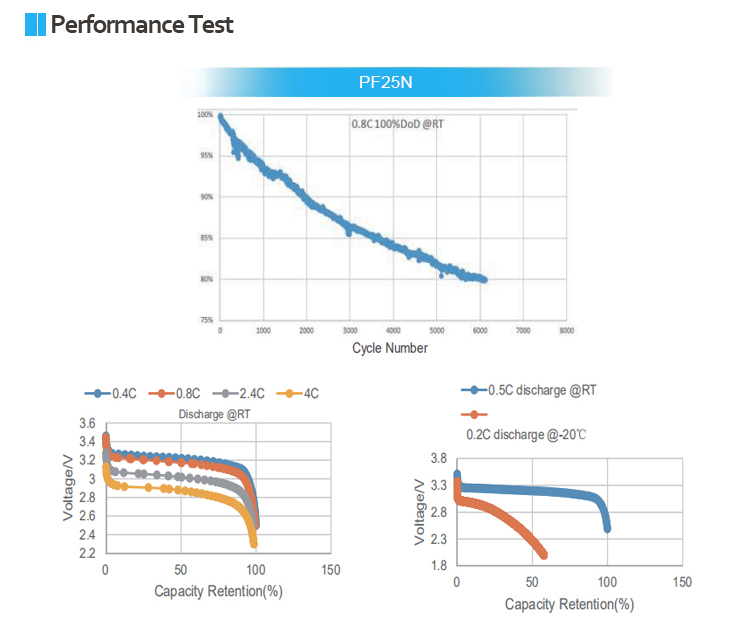
Excellent thermal stability, flat discharge curve
Lead-Acid
300 - 500
Limited
Heavier, requires more frequent replacements
Lithium batteries can handle more charge cycles and deeper discharges. They stay cool and give steady power for hours. You pay more at first, but you get a longer marine battery lifespan.
Deep Cycle Marine Battery Lifespan
Deep cycle batteries give steady power for a long time. You can find deep cycle batteries in both lead-acid and lithium types. Deep cycle batteries usually last from 2 to 8 years.
Trolling motor batteries last about 2 to 8 years.
Lead-acid batteries last 2 to 4 years.
Lithium-ion batteries last 5 to 8 years or more.
How you use and care for your deep cycle battery matters a lot. Doing regular maintenance, charging right, and not draining it too much helps it last longer. If you use your battery a lot or drain it below 50% often, it will not last as long.
Note: New batteries in 2026 have strong cases, double terminals, and Battery Management Systems. These features help your battery survive tough conditions and give steady power.
What Affects Battery Lifespan?
Many things change how long your trolling motor battery lasts:
Regular maintenance stops corrosion and keeps the battery healthy.
Charging the battery the right way prevents damage.
Using a good charger with temperature control keeps the battery safe.
Always pick a battery that fits your motor’s needs. If you choose the right battery and take care of it, you will get more trolling motor battery life and spend more time on the water.
Factors Affecting Trolling Motor Batteries
When you want to get the most out of your trolling motor battery, you need to know what factors matter most. These factors decide how many hours you spend on the water and how long your battery lasts before you need a new one.
Battery Type and Quality
You have many choices for trolling motor batteries. The type and quality of your battery make a big difference in performance and lifespan.
Lead-acid batteries cost less but do not last as long. You need to check water levels and clean the terminals.
AGM batteries last longer and do not need much care. You get better performance and more run time.
Lithium-ion batteries give you the most energy, charge the fastest, and last the longest. You pay more at first, but you get many years of use.
A high-quality battery will give you more reliable power and fewer problems. If you pick a battery with a strong case and good parts, you will see better results.
Capacity and Power Needs
Capacity means how much energy your battery can store. You measure capacity in amp hours (Ah). A higher capacity battery lets you run your motor longer before you need to recharge.
If you use a motor with high thrust, it will use more energy. You will need a battery with more capacity.
A 100Ah battery will last longer than a 60Ah battery.
You should match your battery’s capacity to your motor’s power needs for the best results.
If you pick the right capacity, you can enjoy more time fishing and less time worrying about your battery.
Usage Patterns and Conditions
How you use your battery changes how long it lasts. Some factors you control, and some you do not.
Running your motor at high speed drains the battery faster. Lower speeds help your battery last longer.
If you use your motor in short bursts, the battery can recover and last longer.
Cold weather can lower your battery’s capacity. Storing your battery the right way helps it last through the seasons.
You can make your trolling motor battery last longer by using smart habits and taking care of it in all conditions.
Estimating Battery Run Time
Simple Run Time Formula
You can figure out how long your trolling motor battery will last with a simple formula. This formula helps you know when you need to recharge. You need to know your battery’s capacity, voltage, and how much power your motor uses.
Tip: Always look at your motor’s manual to find the right power draw numbers.
Example Calculations
Let’s check some examples to see how run time changes with different batteries and motors. These examples help you plan your trips and make sure you do not get stuck.
Battery Setup
Motor Thrust
Amp Draw
Run Time
36V 100Ah Battery
55lb
20 amps
5 hours
24V 50Ah Battery
40lb
10 amps
5 hours
12V 100Ah Battery
30lb
5 amps
20 hours
A 36V 100Ah battery with a 55lb thrust motor runs for 5 hours at 20 amps.
A 24V 50Ah battery with a 40lb thrust motor runs for 5 hours at 10 amps.
A 12V 100Ah battery with a 30lb thrust motor runs for 20 hours at 5 amps.
If you use a lithium trolling motor battery, you usually get more run time. Lithium batteries keep their voltage steady. This means you can stay on the water longer and your battery lasts more years.
Tools for Run Time Estimation
You can use online calculators or apps to find out your run time. These tools ask for your battery’s amp hours and your motor’s power draw. They give you a quick answer so you can plan your day.
Type in your battery’s amp hour number.
Type in your motor’s amp draw.
The tool will show you how many hours your battery will last.
Many boaters use these tools before every trip. This helps you avoid surprises and keeps your trolling motor batteries ready to go.
Extending Trolling Motor Battery Life
You can make your trolling motor battery last longer. Good habits help your battery work better. Taking care of your battery saves money. You will have fewer problems when you are on the water.
Charging and Maintenance Tips
Charging your battery the right way is very important. Always use the charger made for your battery. This keeps your battery safe from harm. After every trip, charge your battery all the way. Do not leave your battery empty. Keep the terminals clean so power flows well. Make sure the terminals are tight. Check the voltage often so you know the battery is healthy. Try not to drain the battery all the way. Keep the charge above 50% if you can. Clean the terminals often to stop rust. These steps help your battery last longer.
How you use your trolling motor changes how long your battery lasts. Charge your battery right after you use it. Do not mix different battery types together. Use a charger that matches your battery. This is important for lithium and deep cycle batteries. Do not go fast all at once. Keep your boat balanced so it moves easily. Try to let your boat drift when you can. These habits help your battery last longer.
Storing your battery the right way is important. Before you store it, charge your battery to about half. Put your battery in a cool, dry place. The best temperature is between 50°F and 77°F. Check the charge every few months. If the charge drops below 30%, charge it again. Disconnect your battery from all electronics. This stops slow draining. These steps protect your battery and keep it ready for next season.
If you take care of your battery, you will fish more. You will worry less about battery problems.
When to Replace Marine Batteries
Knowing when to replace your trolling motor battery keeps you safe and helps you avoid problems on the water. You can spot several clear signs that tell you it is time for a new battery. Paying attention to these signs helps you get the most out of your marine battery longevity.
Performance Warning Signs
You may notice your trolling motor does not run as long as it used to. The motor might slow down or stop working before your trip ends. If your battery takes longer to charge or loses power quickly, you should check it. These warning signs show your battery cannot hold enough energy.
Your motor runs out of power faster than before.
The battery takes much longer to charge.
You hear strange noises or see flickering lights.
If you see these signs, plan to replace your battery soon.
Physical Damage or Age
Look at your battery for any damage. Cracks, bulges, or leaking fluid mean your battery is unsafe. Old batteries also lose strength, even if they look fine. Most lead-acid batteries last about three years. Lithium batteries can last up to ten years, but you should still check them often.
Battery Type
Typical Replacement Age
Lead-Acid
2–4 years
AGM
3–5 years
Lithium
5–10 years
If your battery is older than these ranges, you should think about getting a new one.
Charge Retention Issues
A healthy battery keeps its charge for a long time. If your battery loses charge quickly, even when not in use, it may be failing. You might notice the battery drops below 12 volts after charging. This means it cannot hold energy well.
The battery drains fast, even when not used.
Voltage drops quickly after charging.
You need to recharge more often than before.
Regularly test your battery’s voltage to catch problems early.
Replacing your battery at the right time keeps your boat running strong and helps you enjoy every trip.
You now know the basics of trolling motor battery life.
LiFePO4 batteries keep about 80% capacity after thousands of cycles.
Motor speed, temperature, battery age, wiring, and extra accessories all change your run time.
Check your battery today. Share your tips or questions below!
FAQ
How often should you charge your trolling motor battery?
You should charge your trolling motor battery after every use. This habit keeps your battery healthy and ready for your next outing. Always use the charger made for your battery type.
Can you use a car battery for a trolling motor?
You should not use a car battery for your trolling motor. Car batteries do not handle deep discharges well. Marine batteries give steady power for longer periods and last longer on the water.
How do you know if your battery is fully charged?
You can check the charger’s indicator light or use a voltmeter. A fully charged 12V battery usually reads about 12.6 to 13 volts. Always disconnect the charger when the battery is full.
What size battery do you need for a full day fishing trip?
You need a battery with enough amp hours for your motor’s draw. For a full day fishing trip, choose a battery with higher capacity, like 100Ah, to ensure you have enough power.
Is it safe to leave your battery on the charger overnight?
You can leave your battery on a smart charger overnight. Smart chargers stop charging when the battery is full. Avoid using old chargers that do not have automatic shut-off features.