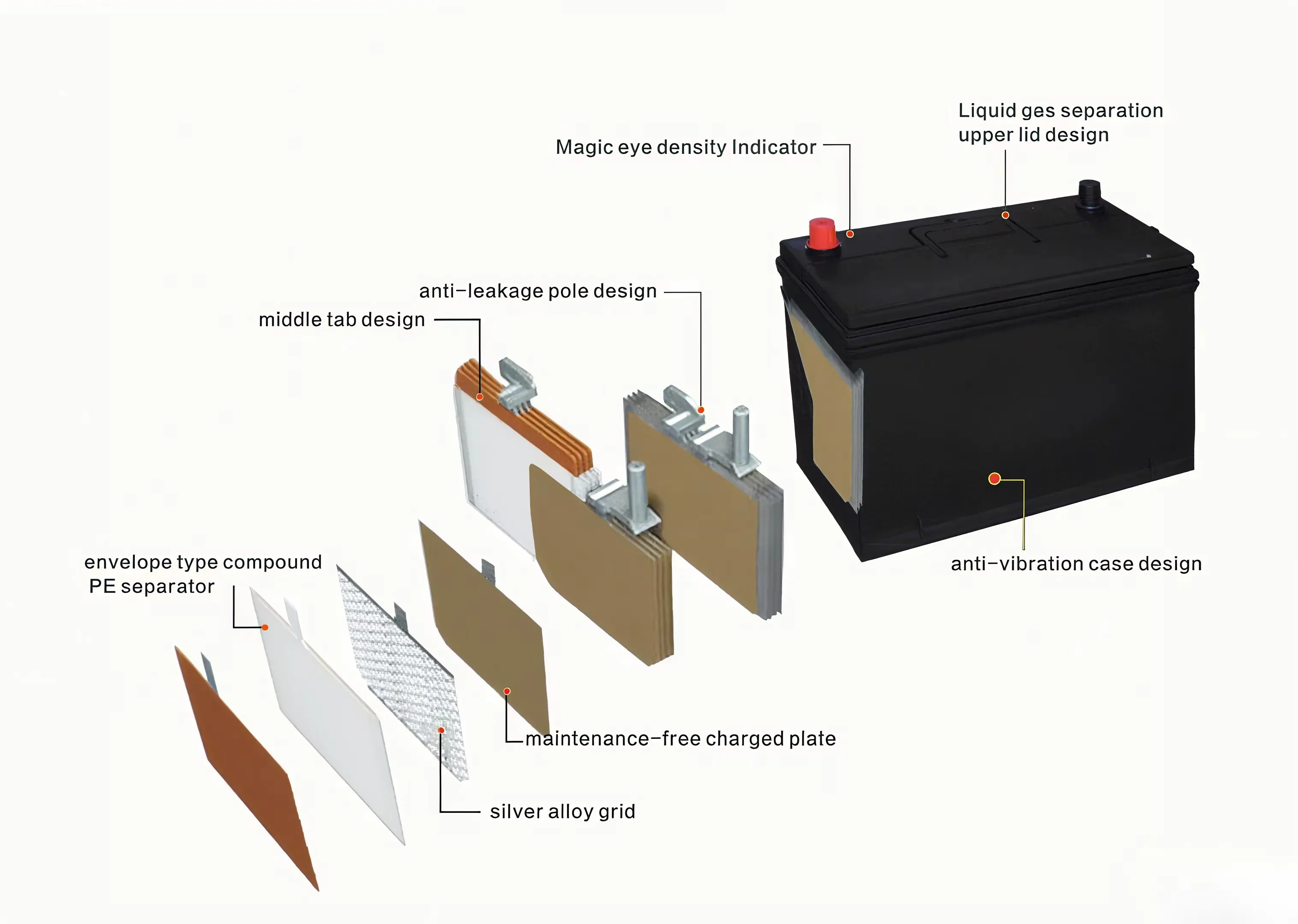
You might ask what makes an agm battery different from a gel battery. Both use sealed lead-acid technology. agm batteries have absorbent glass mats to hold the acid. gel batteries use a thick gel paste instead. This design change lets agm batteries give more power and charge faster. agm batteries work well for many daily uses because of these features.
Key Takeaways
AGM batteries charge quickly. They give strong bursts of power. This makes them good for starting engines. They are also good for devices that use a lot of energy.
Gel batteries are best for deep cycle use. They last longer and work well in very hot or cold places. This makes them great for storing solar energy.
Both AGM and gel batteries do not need much care. They are made to stop leaks. This keeps them safe to use in many places.
Pick AGM batteries if you need fast energy. They are also good for cold weather. Choose gel batteries if you want power that lasts a long time. They are good for deep discharge cycles.
Knowing how each battery charges and works can help you choose the right one for your needs.
Construction & Technology
AGM Battery Construction
An agm battery has a special design. Inside, thin fiberglass mats are between the lead plates. These mats soak up the liquid electrolyte and keep it in place. The battery stays leak-proof even if you tip it over. The mats are moist but not fully wet. This means the battery works without extra water. You do not need to worry about spills or leaks. The agm design helps the battery give power fast and handle high currents. New agm technology uses better plate materials and new ways to make batteries. These changes help agm batteries last longer and work better.
Gel Deep Cycle Batteries Construction
Gel deep cycle batteries use a different method. The electrolyte mixes with fumed silica to make a thick gel paste. This gel fills the spaces between the plates and stays put, even if the case breaks. The gel cell battery makes a stiff paste that carries electricity and holds the electrolyte. This helps the battery resist shaking and shocks. The gel also slows down chemical reactions inside the battery. Gel deep cycle batteries last longer and work well when deeply discharged. The materials, like sulfuric acid and silica, help the battery handle heat and lower the chance of sulfation.
Uses a thick paste-like gel to immobilize electrolyte
Spillability
Non-spillable; no free liquid if case breaks
Non-spillable; will not leak if case is broken
The agm battery uses a glass mat to keep the electrolyte close to the plates. This lets the battery give quick bursts of power and charge faster. agm batteries are good for jobs where you need fast energy, like starting engines or using power tools. The starved electrolyte can make the positive plate wear out faster if used a lot. The agm design needs careful charging to stop problems like acid stratification.
Gel deep cycle batteries use a gel paste to keep the electrolyte in place. This makes them better for deep cycle uses, where you discharge and recharge the battery many times. The gel slows chemical reactions, so the battery lasts longer. Gel batteries work well in hot places and resist losing charge. They handle deep discharges better than agm batteries. Gel batteries charge slower and can be damaged if overcharged.
Tip: Pick agm batteries for high current and fast charging. Choose gel deep cycle batteries for long-lasting power and deep discharge cycles.
Both agm and gel batteries are sealed lead-acid deep cycle batteries. Each type has special benefits because of its design. When you know these differences, you can pick the right battery for your needs.
Performance
AGM Deep Cycle Batteries Performance
AGM deep cycle batteries work well in tough situations. They give strong bursts of power. This makes them good for starting engines fast. You can use them for equipment that needs quick energy. Many vehicles use AGM batteries for advanced electronics. They are also used in backup power systems. These batteries give steady energy during outages.
AGM deep cycle batteries need little care. You do not have to add water. You do not need to check for leaks. Their sealed design keeps the electrolyte inside. AGM batteries have more energy density than flooded batteries. This means they store more power in less space. AGM batteries work even when not fully charged. They do not lose power as fast as flooded batteries. You can use them in very hot or cold places. They still work well.
Here is a table comparing AGM deep cycle batteries to flooded batteries:
Performance Aspect
AGM Batteries
Traditional Flooded Batteries
Maintenance
Maintenance-free
Needs regular care
Energy Density
Higher energy density
Lower energy density
Cycle Life
Excellent cycle life
Shorter cycle life
Partial Charge Performance
Works well without losing power
Loses power when not fully charged
Temperature Performance
Works well in extreme conditions
Loses power in cold
AGM deep cycle batteries last between 500 and 1000 cycles. This depends on the brand and how much you discharge them. Most AGM batteries work best at 80% depth of discharge. Many brands offer warranties up to four years. How long the battery lasts depends on how you use and care for it.
Note: AGM batteries are chosen by car makers. They handle high heat and shaking. You get higher static voltage. You need a higher charging voltage.
Gel Deep Cycle Batteries Performance
Gel deep cycle batteries give steady power for many years. The gel slows chemical reactions inside. This helps the battery last longer. You can discharge gel batteries deeply. This does not hurt them. Gel batteries are great for solar power and off-grid homes.
Gel deep cycle batteries handle many charge and discharge cycles. You can get over 1200 cycles at 80% depth of discharge with good care. The sealed design stops leaks. You do not need to add water. You do not worry about acid spills. Gel batteries work well in harsh places. They lose less power in extreme heat or cold than flooded batteries.
Here is a table showing gel deep cycle battery features for renewable energy:
Feature
Description
Durability and Longevity
Made for long life. Can last 5-10 years with care.
Function in Harsh Environments
Works in many temperatures. Loses less power.
Minimal Maintenance Requirements
Sealed design means no water needed. No leaks.
Eco-Friendly Features
Sealed design stops gas release. Safe for indoors. Recyclable.
Gel deep cycle batteries are good for solar energy storage. You can use them for remote towers and off-grid homes. They handle deep discharge cycles well. This helps you get more from your solar setup.
Tip: Gel batteries are best for deep cycle uses. You get long life and little maintenance.
Power Output & Efficiency
You should know how AGM and gel batteries compare in power and efficiency. AGM batteries give higher bursts of amps. You can use them to start engines and power devices fast. Gel batteries give lower power output. They work better for moderate deep cycle uses.
Here is a table comparing power output and efficiency:
Feature
AGM Batteries
GEL Batteries
Power Output
Higher bursts of amps, good for starting
Lower power output, good for moderate cycles
Energy Efficiency
Similar cycle life to flooded batteries
Up to 2x cycle life at 50% depth of discharge
Applications
Used in cars, boats, and more
Best for moderate deep cycle uses
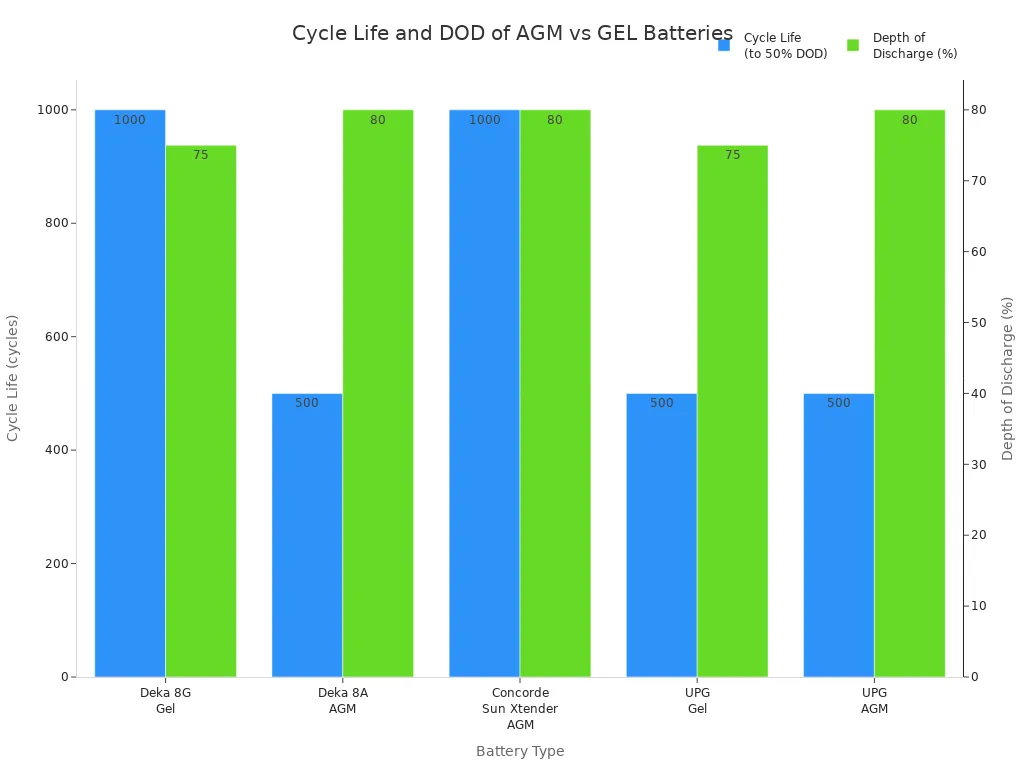
You can see the differences in cycle life and depth of discharge in the chart below:
Here is a table with typical cycle life and depth of discharge ratings:
Battery Type
Cycle Life (to 50% DOD)
Depth of Discharge
Deka 8G Gel
1000 cycles
75%
Deka 8A AGM
500 cycles
80%
Concorde Sun Xtender AGM
1000 cycles
80%
UPG Gel
500 cycles
75%
UPG AGM
500 cycles
80%
You should follow the depth of discharge for each battery type:
Gel batteries: 75%
AGM batteries: 80%
Gel batteries last longer at moderate discharge levels. AGM batteries give more power and charge faster. You can pick AGM deep cycle batteries for high-drain uses. Gel deep cycle batteries are best for long-lasting, deep cycle jobs.
Reminder: Deep cycle batteries work best when you match the battery to your needs. AGM batteries are good for high-drain and quick-charge uses. Gel batteries are good for deep discharge and steady power.
Charging & Heat Tolerance
Charging Speed & Compatibility
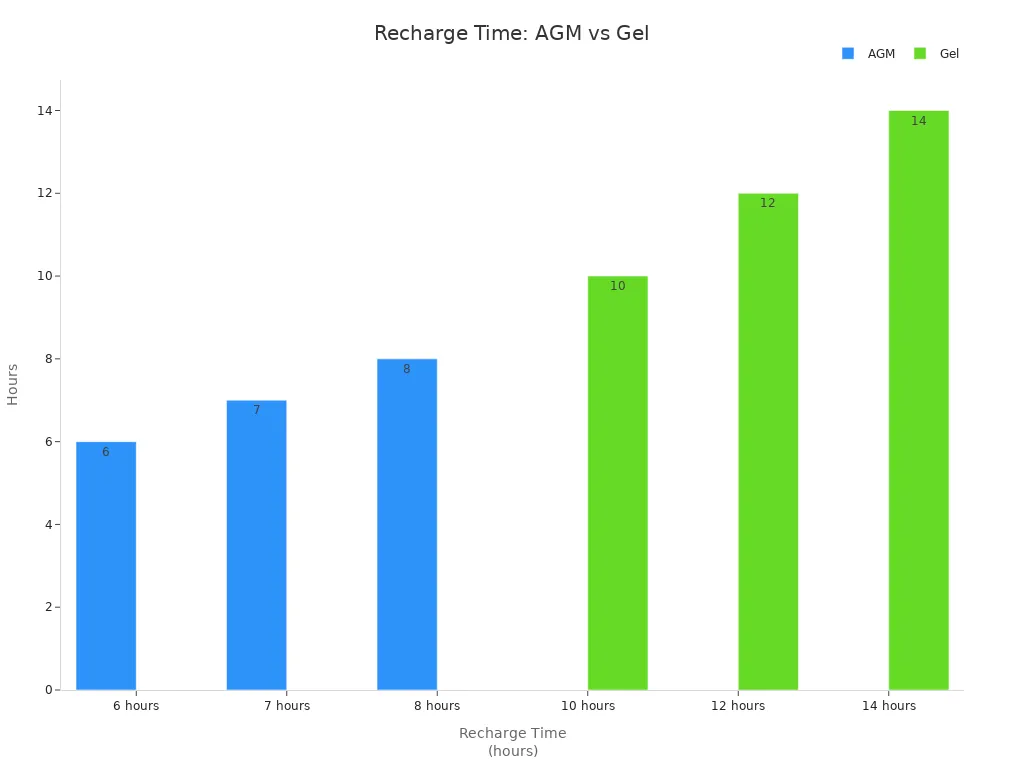
It is important to know how charging works for agm and gel batteries. AGM batteries charge faster because they take higher currents. You can use smart chargers to fill them in 6 to 8 hours. Gel batteries charge slower. They need lower voltages and careful control. It can take 10 to 14 hours to fully charge a gel battery.
AGM batteries can handle higher charging voltages. You can charge them at up to 75% of their amp-hour rating. For example, a 200Ah agm battery can take a 150-amp regulated charge. Gel batteries are very sensitive to overcharging. You must use the right charger and voltage to keep them safe.
Note: AGM batteries are easier to charge. Gel batteries need exact voltage control.
Here is another table with manufacturer guidelines:
You should think about how heat affects agm and gel batteries. AGM batteries work well in hot and cold places. They resist heat and keep working steady. Gel batteries also handle heat, but lose power slower in extreme temperatures. Gel batteries last longer in hot climates.
Gel batteries slow chemical reactions inside. This helps them last longer in deep cycle jobs. AGM batteries can handle high heat, but you must avoid overcharging. Too much heat or high voltage can make them wear out faster.
Tip: If you live in a hot place, gel batteries may last longer and work better.
Both agm and gel batteries need proper charging to avoid heat damage. Always follow the recommended voltage and use a smart charger.
Safety & Maintenance
Leak & Spill Protection
You want your equipment to stay safe. Both agm and gel batteries stop leaks and spills well. The agm battery keeps the liquid inside a glass mat. This makes it non-spillable, even if you turn it sideways. You should not put it upside down, but it works in most ways. The gel battery has a thick paste that does not move, even if the case breaks. This keeps gel batteries from spilling and stops rust. They also have things that help stop overcharging. You can use both types where leaks could hurt things, like in cars or near electronics.
agm batteries: Non-spillable, safe in many ways, glass mat holds liquid.
gel batteries: Spill-proof, gel paste stays still, stops rust, prevents leaks.
Tip: Pick agm or gel batteries for safe use in places where leaks are bad.
Vibration Resistance
You might use batteries in boats or off-road cars. These places shake a lot. agm batteries do well with shaking. The glass mat holds the plates tight and keeps them safe. This helps agm batteries last longer in hard places. You get more trust for boats and off-road trips. Gel batteries also fight shaking because the gel keeps the plates still. Both types work better than regular batteries when things shake a lot.
Battery Type
Vibration Resistance
Key Benefit
AGM
Very High
Long life and strong in rough places
Gel
High
Good for steady power in moving cars
You can count on agm and gel batteries to work, even when roads are bumpy or water is rough.
Maintenance Needs
You want a battery that is easy to care for. agm batteries need just a little checking. In hot places, you may check them more. Sometimes, they need water if used a lot. Gel batteries need even less care. They are easy to hurt if overcharged, so use the right charger. Less work means you save money over time.
Battery Type
Maintenance Requirements
Notes
AGM
Check sometimes, maybe add water in heat
More care if used a lot
Gel
Very little care, watch for overcharging
Costs less in the long run
Note: Always use a smart charger to keep agm and gel batteries safe.
You can relax with agm and gel batteries. They keep things working with little work from you.
Applications
AGM Battery Uses
AGM batteries are used in many places. They give reliable power and last a long time. You can use them in cars, boats, and backup systems. AGM batteries give lots of power and work well in hard conditions. They handle shaking and bumps, so they are good for off-road vehicles and boats. Modern cars use AGM batteries for advanced electronics and start-stop systems. These batteries help backup systems like UPS units. They keep your devices running when the power goes out.
Here is a table showing where AGM batteries are used:
Sector
Application Description
Automotive
Used in cars with lots of electronics and high power needs.
Marine
Great for boats and yachts because they resist shaking and need little care.
Backup Power
Used in emergency backup systems and important places that need power.
AGM batteries work for many jobs. They need little care and last a long time. You can trust them for important systems where you cannot lose power.
Tip: Use AGM batteries in cars, boats, and backup systems if you want strong and reliable power.
Gel Deep Cycle Batteries Uses
Gel deep cycle batteries are used in many industries. You can use gel batteries in solar power systems that are not connected to the grid. They store energy from the sun and give steady power. Gel batteries work well in backup systems and give long-lasting energy when the power goes out. You find gel batteries in boats and RVs, where shaking and deep discharge are important. Gel batteries power golf carts and electric vehicles. They give reliable energy for daily use. Gel batteries are also used in renewable energy storage and factories.
Gel batteries last longer in deep cycle jobs. They give steady power and need little care. Gel batteries resist heat and shaking, so you can use them in tough places.
Note: Pick gel deep cycle batteries for solar, backup, and factory uses where you need deep discharge and long life.
Pros & Cons
AGM Battery Advantages & Disadvantages
AGM batteries have many good points. They do not leak, so you can move them safely. They work well with heavy loads and strong electronics. You can use them for deep cycles without hurting them. AGM batteries last much longer than flooded batteries. This helps you save money over time. You do not need to do much to take care of them. This means you spend less time and money on upkeep. They are reliable, so your car or tools will not fail often.
There are some bad points too. AGM batteries can get damaged if you overcharge them. This is a bigger problem than with gel batteries. They do not last as long as gel deep cycle batteries. AGM batteries are not as good as gel batteries with high current loads.
Note: Always use a smart charger to protect agm batteries from overcharging.
Gel Deep Cycle Batteries Advantages & Disadvantages
Gel deep cycle batteries are strong and last a long time. The gel inside keeps the lead plates safe from harm. You can use them for deep cycles, and they still last five to ten years if you care for them. Gel batteries do not lose much water, so you do not need to check them often. They keep their power in very hot or cold places. The gel helps them work well in tough weather.
Gel batteries have some downsides. They can get damaged if you overcharge them. You must use chargers that work at lower voltages. Gel batteries usually cost more than agm batteries.
Sensitive to overcharging, which can shorten lifespan.
Require specific chargers with lower voltage.
Higher cost compared to agm batteries.
Tip: Gel deep cycle batteries work best when you follow the correct charging guidelines.
AGM vs GEL Comparison Table
You want to pick the right battery. Comparing agm and gel batteries side by side helps you see what makes them different. The table below shows important things to think about when choosing a battery for your project or equipment.
Metric
AGM Batteries
GEL Batteries
Cycle Life
Lasts longer than regular lead-acid
Lasts longest among sealed lead-acid
Charge/Discharge
Handles deep cycles, but too many can cause wear
Great for deep discharge, less wear
Environmental Impact
Needs fewer replacements, lower impact
Needs fewer replacements, lower impact
Self-Discharge Rate
Lower than flooded batteries
Very low, good for storage
Charging Efficiency
Charges fast, handles higher currents
Charges slower, needs careful control
Heat Tolerance
Works well in hot and cold places
Works great in hot places
Maintenance
Needs little care, check sometimes
Needs almost no care
Vibration Resistance
Very high, good for cars and trucks
High, good for boats and RVs
Price
Medium price
Higher price
Best Use
Cars, boats, backup systems
Solar, deep cycle, renewable energy
AGM batteries charge fast and work in many places. Gel batteries last longer when used for deep cycles. Both types stop leaks and spills. Both resist shaking, but gel batteries are best for solar and renewable energy jobs.
Tip: Pick agm if you need fast charging and strong power. Pick gel if you want long-lasting deep cycle use.
Always choose the battery that fits your needs. Look at the table and decide which features are most important for your job. This helps you avoid trouble and get the best value.
Choosing the Right Battery
You want to pick the best battery for your needs. Start by thinking about how you plan to use your battery. If you need strong power for starting engines or running devices that use a lot of energy, agm batteries work well. These batteries handle high current and perform better in cold weather. You can trust them in cars, trucks, and boats where quick bursts of power matter.
If you use your battery for solar power or deep cycle jobs, gel batteries last longer. They handle deep discharge every day and keep working for years. You can use gel batteries in solar storage, RVs, or places where you need steady power. Gel batteries also work in extreme heat and cold, even as low as -76°F.
Here is a table to help you compare:
Factor
AGM Batteries
Gel Batteries
Cycle Life
500-1000 cycles to 50% DOD
1000 cycles to 50% DOD
Cold Performance
Excellent
Moderate
Deep Discharge
Good
Excellent
High Current
Excellent
Moderate
Maintenance
Maintenance-free
Maintenance-free
Cost
Lower initial cost
Higher initial cost, cheaper long-term
Think about your climate. AGM batteries work better in cold places. Gel batteries handle deep discharge and extreme heat. Both types need little care and are safe for indoor use.
You can use this checklist to decide:
Choose agm if you need high current or live in a cold climate.
Pick gel if you need deep discharge or use solar power.
Both batteries are safe and easy to maintain.
Tip: Match your battery to your main use and climate for the best results.
You can spot big differences between AGM and GEL batteries. AGM batteries give more power and cost less at first. GEL batteries last longer and work better in hot places. Look at the table below to compare:
Feature
AGM Battery
GEL Battery
Lifespan
7-10 years
10-12 years
Power Output
Higher
Steady
Maintenance
Minimal
Minimal
Make sure the battery voltage fits your project.
Pick a battery with high cycle life if you use it often.
Choose the battery that works best for your climate and daily needs.
Think about the good and bad points for your needs so you get the best value.
FAQ
Can you use the same charger for AGM and GEL batteries?
You should not use one charger for both types. AGM batteries can take higher voltages. GEL batteries need lower, careful voltages. Always check your charger before you start charging.
Which battery lasts longer, AGM or GEL?
Gel batteries often last longer than AGM batteries. With good care, gel batteries can last 10 to 12 years. AGM batteries usually last 7 to 10 years. How long they last depends on how you use and charge them.
Are AGM and GEL batteries safe for indoor use?
Both AGM and GEL batteries are sealed and do not let out gas during normal use.
You can use them indoors for backup power or solar storage without worry.
Can you mount AGM and GEL batteries in any position?
You can put both types sideways or standing up. Their sealed design stops leaks. For best results and safety, do not put them upside down.
What happens if you overcharge a GEL battery?
Overcharging a GEL battery can damage it forever. The gel inside may dry out and lose power. Always use a charger with the right voltage for GEL batteries.