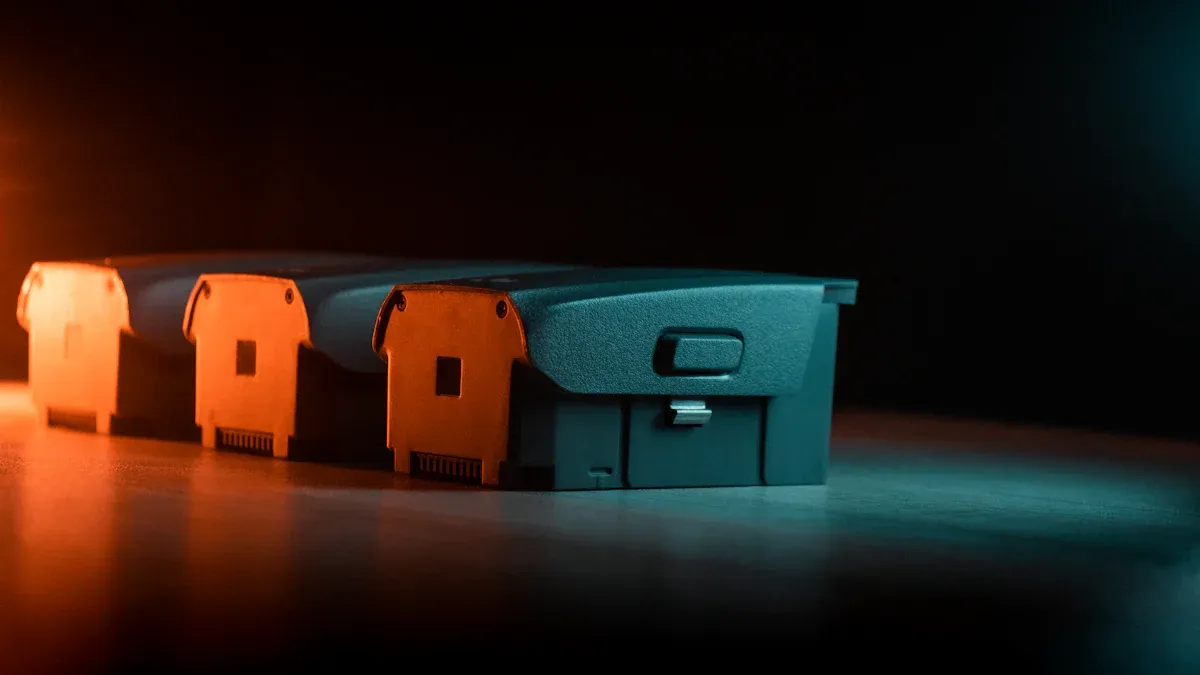
If you want a battery that is safer and lasts longer, you might want to pick a solid state battery for your next device or EV. Many people like solid state batteries because they are lighter and smaller than lithium ion batteries. These batteries also charge faster and have better energy density. This means electric vehicles can get more power. Solid state batteries use fewer rare and toxic materials, so they are better for the environment. Lithium ion batteries are still the most popular, but solid state batteries might change that soon.
Key Takeaways
Solid state batteries are safer than lithium ion batteries. They use a solid electrolyte. This solid does not leak or catch fire.
These batteries have higher energy density. They can store more power in a smaller size. This is good for devices and electric vehicles.
Solid state batteries charge faster and last longer. They give more cycles before needing replacement. This makes them a better long-term investment.
Right now, solid state batteries cost more and are harder to find. Lithium ion batteries are easy to get and cost less.
Think about what you need. If you want safety and batteries that last, solid state batteries are promising. If you want something cheap and easy to find, lithium ion batteries are the best choice.
Solid State Battery Overview
How Solid State Batteries Work
You might ask how solid state batteries work. They are not the same as regular batteries. In a solid state battery, the liquid electrolyte is replaced by a solid. This solid can be ceramic, polymer, or sulfide. The solid electrolyte lets ions move between the anode and cathode. It does this without leaking or catching fire.
Integrated with solid electrolyte to allow ion flow
Solid state batteries use new materials to make them safer and more stable. These batteries do not leak or overheat as much.
Solid-State Batteries: Key Features
Solid state batteries have many good points over lithium ion batteries. They are lighter and smaller. They store more energy in the same space. This means your devices or cars can run longer on one charge.
Look at this table to compare energy, size, and weight:
Battery Type
Energy Density (Wh/kg)
Size Comparison
Weight Comparison
Solid-State (Thin-Film)
300-800
33% smaller
40% lighter
Lithium-Ion
150-250
-
-
Solid state batteries can reach 400-500+ Wh/kg. Lithium ion batteries are usually between 160-250 Wh/kg. You get more power in a smaller battery.
These batteries are also safer. They do not use flammable liquids, so they are less likely to catch fire. They last longer, too. You can charge and use them many more times before they stop working.
Note: Solid state batteries are not perfect yet. They cost more to make because they are hard to build. The materials are also harder to find. You cannot buy solid state batteries everywhere right now.
Some problems include:
High costs because making them is hard.
It is tough to make enough for everyone.
The materials are expensive and hard to get.
Solid state batteries could be great in the future. As technology gets better, you may see these batteries in more devices and cars.
Lithium Ion Battery Basics
How Lithium Ion Batteries Work
Lithium ion batteries are in many things you use. They power your phone, laptop, and electric car. These batteries store energy by moving lithium ions. The ions move between the anode and cathode. A liquid electrolyte helps the ions travel back and forth. This happens when you charge or use your device. That is how the battery gives steady power for many cycles.
People use lithium ion batteries in lots of devices. They give high energy in a small size. You can use your gadgets longer before charging again. This technology is now the main choice for electronics and electric cars.
Highest specific energy density (up to 220 Wh/kg), Greatest cycle life (2000 cycles), No periodic maintenance required
Relatively high cost, Limited material availability, Potential thermal runaways
Lithium Ion Battery: Key Features
Li-ion batteries are easy to find and not too expensive. In the last ten years, their price has dropped a lot. They cost more at first than old batteries. But you save money later because they last longer and work better.
You can buy lithium-ion batteries in many shapes and sizes.
They fit in phones, laptops, tools, and electric cars.
Li-ion batteries are trusted because they work well. You can find them almost anywhere. Their wide use means you can get one when you need it.
But there are some safety problems to know about. Li-ion batteries have a liquid inside. If damaged, this liquid can leak or catch fire. Overheating can happen if you use the battery wrong. Here is a table about safety:
Battery Type
Safety Concerns
Lithium-Ion
Issues of electrolyte leakage, overheating, and fires
Even with these risks, most people still pick li-ion batteries. They are a good mix of power, price, and being easy to find.
Solid State Battery vs Lithium Ion Comparison
When you look at solid state battery vs lithium ion, you notice some big differences. These differences are important when picking a battery for your phone, car, or other device. Let’s check out how they compare in safety, energy density, charging speed, lifespan, cost, and how easy they are to find.
Safety
Safety is a huge difference between solid-state batteries and lithium ion batteries. Solid state batteries use a solid electrolyte instead of a liquid one. This solid does not leak or catch fire easily. You get a battery that is safer and can handle more heat and stress.
Lithium ion batteries have a liquid inside. If the battery gets damaged, the liquid can leak out. This can start fires or even cause explosions. You need to be careful with these batteries, especially if it is hot or if the battery gets crushed.
Tip: If you want a safer battery for your devices or car, solid state batteries protect better against overheating and leaks.
Energy Density
Energy density means how much power a battery can hold for its size and weight. This is a big part of the solid state battery vs lithium ion debate. Solid-state batteries have much higher energy density. This means you get more power and range from the same size battery.
Solid state batteries can reach up to 800 Wh/kg in labs. Most lithium ion batteries only reach about 250 Wh/kg. If you want your electric car to go farther or your phone to last longer, solid-state batteries are a better pick.
Charging Speed
Charging speed is another big part of the solid state battery vs lithium ion comparison. Lithium ion batteries can charge fast, but their speed changes with temperature. In cold weather, the liquid inside gets thick and slows charging. In hot weather, charging is faster, but the battery can get too hot and unsafe.
Solid state batteries can charge quickly and stay cool. The solid electrolyte does not change much with temperature. You get a battery that charges fast and safely in more types of weather.
Lithium ion batteries need special systems to heat or cool them for fast charging.
Solid state batteries can handle fast charging with less risk.
Lifespan
Lifespan means how many times you can charge and use a battery before it loses power. This is a big difference in the solid state battery vs lithium ion debate. Solid state batteries last much longer than lithium ion batteries.
You can charge solid state batteries more times before they wear out. They keep their power longer, so you do not have to replace them as often.
Cost
Cost is a big thing to think about when choosing between solid state batteries and lithium ion batteries. Right now, solid state batteries cost a lot more to make. The materials and technology are new and harder to build.
Lithium ion batteries are much cheaper. You see them in most devices and cars because they are easy to get and cost less. Solid state batteries are still too expensive for most people right now.
Availability
Availability is another big difference in the solid state battery vs lithium ion debate. You can buy lithium ion batteries almost anywhere. They power most phones, laptops, and electric cars today.
Solid state batteries are not easy to find yet. You might see them in fancy electric cars soon. Most companies are still testing and working on them. The market for solid state batteries is growing, but it will take time before you see them everywhere.
Solid state batteries could be the future.
Lithium ion batteries are the main choice for now.
Note: As more companies work on solid state batteries, you will see more choices and lower prices in the future.
When you look at the main differences, you see that solid state batteries are safer, hold more energy, and last longer. Lithium ion batteries are cheaper and easier to find. You have to decide which features are most important for you.
Pros and Cons Summary
Solid State Batteries: Pros & Cons
You may think about using solid state batteries in your next device or car. These batteries have many good things, but also some problems. Here is a simple look at what they offer:
Pros
Cons
High energy density
Low production level
Smaller battery volume
High cost of production
High flexibility
Lack of sufficient development
Enhanced safety
Stability problems
Ultra-fast charging
Separator requires high temperatures
Quicker production
Shorter lifespan in some cases
These batteries are safer because they do not use flammable liquids.
Solid state batteries can help electric cars make less pollution, almost 39% less.
They are lighter and smaller, so you get more power in less space.
You will not see solid state batteries in most stores yet because companies are still trying to improve them.
Note: Solid state batteries might change electronics and cars in the future, but you may have to wait until they cost less and are easier to buy.
Lithium Ion Battery: Pros & Cons
Lithium ion batteries are still the most used in many devices and cars. You see them everywhere because they work well and are easy to get. Here is a quick list of their main good and bad points:
Pros
Cons
Advanced safety measures can reduce risks
Prone to thermal runaway, which can cause fires or explosions
Economic benefits from recycling
Environmental costs from mining lithium and cobalt
Robust thermal management systems
Lack of strong risk management frameworks
These batteries are not too expensive and have been tested in many products.
Lithium ion batteries last a long time, especially new types like LFP.
They can charge fast, but need special systems to keep them safe.
Getting lithium and cobalt from the earth can hurt nature, like cutting down trees and using too much water.
Recycling does not get back much of the important materials, so there is still work to do.
Tip: If you want a battery that is easy to find and works in most things, lithium ion batteries are a good pick for now.
Which Should You Choose?
For Everyday Use
You want a battery that is safe, reliable, and easy to find. For most people, current ev batteries like lithium ion work well in phones, laptops, and electric vehicles. These batteries cost less and you can buy them almost anywhere. You get good performance and long life for your devices. If you choose a lithium ion battery, you should store it in a cool, dry place. Check for swelling or leaks and recycle it when it wears out. Always use the right battery for your device to avoid overheating.
Solid state battery technology gives you better safety and longer use, but it costs much more right now. You will not find it in most stores yet. If you want the best value and easy replacement, stick with lithium ion for now.
For Early Adopters
You might love new technology and want the latest for your ev or gadgets. Solid state batteries can last over 15 years, much longer than lithium ion. This long life can save you money and give you peace of mind. You should know that making these batteries is hard. Only about half of them pass quality checks, while most lithium ion batteries do. The price is also high because of special materials and new machines.
If you want to try solid state batteries early, you may pay more and wait longer for repairs or replacements. You help push the technology forward, but you take more risks.
Future Outlook for Solid-State Batteries
Many companies race to make solid state batteries for electric vehicles and other products. Here is a look at when you might see them:
You will see more solid state batteries in electric vehicles as costs drop and factories improve. Right now, these batteries cost 5-10 times more than lithium ion. Making them at scale is hard, and new tools are needed. As companies solve these problems, you will see safer, longer-lasting batteries in more EVs and devices.
You should choose a battery by what you need most. Solid state batteries are safer, last longer, and charge faster. Lithium ion batteries cost less and are easy to buy.
Think about how safe the battery is and how big it is.
Battery technology is always getting better. Soon, you will have more choices.
FAQ
What makes solid state batteries safer than lithium ion batteries?
Solid state batteries have a solid electrolyte. This solid does not leak or burn easily. There is less chance of overheating or explosions. You can use these batteries in tough places.
Why do solid state batteries cost more right now?
They cost more because they need new materials and special machines. Making them is slower and harder than making lithium ion batteries. Prices will go down as factories get better.
Can you buy solid state batteries for your phone or car today?
You cannot buy solid state batteries in most stores yet. Most phones and cars still use lithium ion batteries. Some electric cars may have solid state batteries soon.
How long does a solid state battery last compared to lithium ion?
Solid state batteries can last more than 15 years. Lithium ion batteries last about 8 to 10 years. Solid state batteries give you more charges and lose less power over time.
Are solid state batteries better for the environment?
Solid state batteries use fewer rare and harmful materials. They help cut down on pollution and waste. These batteries last longer, so you do not need to replace them as much.