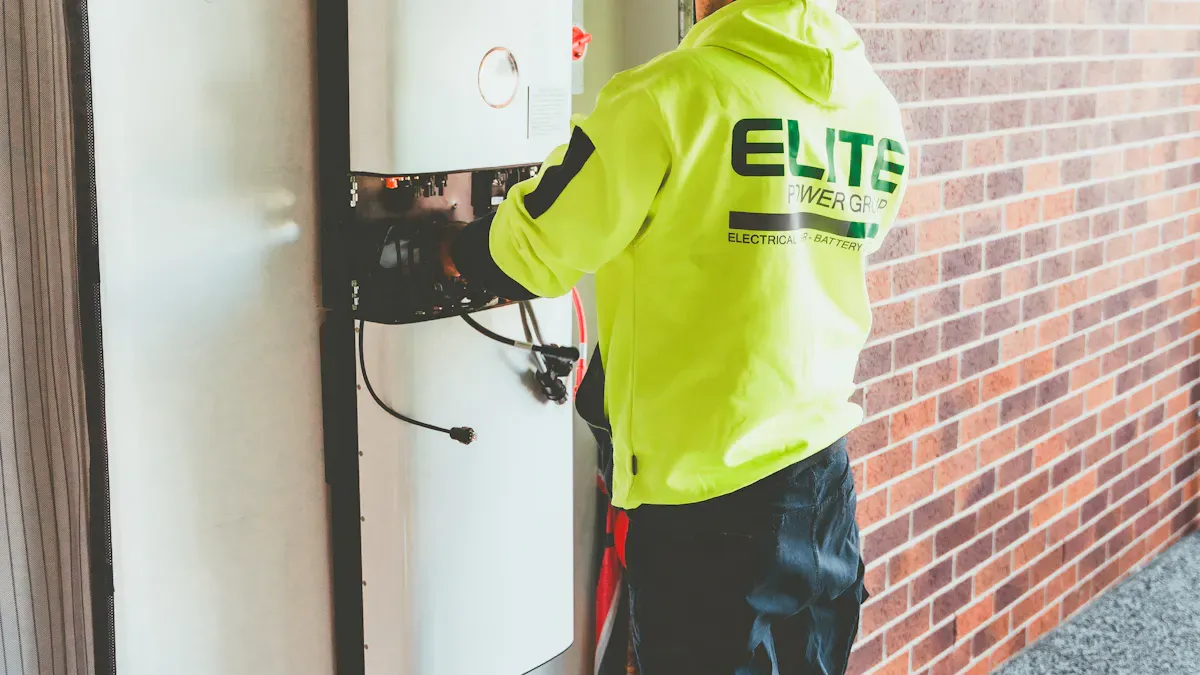
If you want to install a solar inverter at home, you need to follow the right steps. You should read the instructions and use the correct tools each time you install a solar inverter. If you skip steps or use the wrong items, it can lead to fire hazards, energy leaks, or failed inspections. Here are some dangers you should avoid when you install a solar inverter:
Always obtain permits before you install a solar inverter. If you do not install it correctly, you risk losing your warranty, insurance coverage, or tax credits. Many experts recommend hiring a professional to install it, especially for complex solar inverter systems. When you install a solar inverter, place it on fire-safe surfaces and ensure you use the appropriate battery wiring and circuit protection. If you ever feel uncertain, consult a professional and review the instructions again.
Key Takeaways
Always read the installation instructions and use the right tools. This helps prevent fires and energy loss.
Pick the correct solar inverter for your roof and energy needs. This makes it work better.
Get the needed permits and follow local rules. This keeps your installation safe and legal.
Wear protective gear and turn off power when installing. This keeps you safe.
Check and maintain your solar inverter often. This helps it work well and last longer.
Choosing a Solar Power Inverter
When you start using solar power, you need to pick the right solar power inverter. Picking the right one helps your solar panel system work well and makes installing it easier. Let’s look at the main types, how to choose one for your setup, and what tools you need for a safe job.
Types of Solar Inverters
There are different types of solar power inverters for homes. Each type works best in certain situations. Here is a simple table to help you:
Type of Inverter
Description
Efficiency Range
Advantages
String Inverters
Connects many strings to one main inverter.
96-98%
Saves money, easy to fix, good if you have no shade.
Hybrid Inverters
Mixes PV inverters and battery inverters together.
N/A
Works for many setups, lets you store energy for later.
Microinverters
Small inverters that go on each solar panel.
97%+
Makes more energy, good for tricky roofs, lets you check each panel.
Power Optimizers
Uses a main inverter and small inverters on each panel.
N/A
Good for tricky roofs, gets more energy without the high cost of microinverters.
If your roof is simple and has no shade, a string inverter is a good choice. If your roof has odd shapes or trees nearby, microinverters or power optimizers can help you get more energy from each panel.
Matching Inverter to System
Your solar power inverter should fit your solar panel system. The right match helps you get the most energy. Here are some things to think about:
Think about your weather. If you live where it is very sunny, you may need a bigger inverter.
Look at your roof’s direction and angle. If your panels face east or west, you might need more panels and a bigger inverter.
Watch for shade from trees or chimneys. Microinverters or power optimizers can help if you have shade.
Plan ahead. If you want to add more panels or batteries later, a hybrid inverter gives you more options.
The type of solar power inverter you pick changes how well your system works. If you pick the wrong voltage, your system may not work well. Always pick the right solar inverter for your needs.
These tools help you connect your panels to the solar inverter safely. You also need them to connect your system to the electricity grid. When you put up the solar panels, use the right hardware to keep them safe. Good tools make your work easier and safer.
Tip: Always check your connections two times before you connect your panels to the solar inverter or the system to the electricity grid. This step keeps your installation safe and working well.
Planning and Site Assessment
Installation Location
Picking the best place for your solar inverter is important. Put your solar inverter close to the main electrical panel. This makes the cables shorter and saves money. Remember, solar inverters can make a humming sound. Do not put it near bedrooms or quiet rooms. Your solar inverter works better in cool and shady spots. Make sure the area has good airflow. Keep your solar inverter safe from rain, dust, and sunlight. You can use a box or put it under a roof edge. Make sure you can reach your solar inverter easily. Leave space around it for checking or fixing. If you live where storms or dust are common, protect your solar inverter more.
Criteria
Description
Proximity to Main Electrical Panel
Short cables mean less power loss and lower costs.
Noise Considerations
Solar inverters hum. Keep them away from bedrooms and offices.
Temperature Control
Solar inverters work best in cool, shady, and airy places.
Protection from the Elements
Extra covers or roofs help your solar inverter last longer.
Accessibility
Make sure you can reach your solar inverter for checks.
Special Considerations
Think about storms, dust, or heat in your area.
Permits and Local Codes
Check your local rules before you start. Every place has different permits and codes. In California, you must follow Title 24 and fire rules. Florida needs hurricane safety and special mounting. Texas wants your solar inverter to handle hail and weather. Call your local building office first. Make sure you can put up solar panels at your home. Gather things like maps, photos, and electrical details. Ask your local office what you need to do. Send your forms early. Some places let you do this online. Your solar inverter and parts must be safe. Use approved mounting and wiring for your solar system.
Preparing the Area
Get your space ready before you begin. Ask a certified installer for help if you need it. Collect all your papers, like plans and product papers. Send in your permit forms as soon as you can. Wait for approval before you start installing. Plan for inspections to check your work. Put your solar inverter on a fire-safe board. This keeps your home safe and follows the rules. Keep the area neat and clear. Good planning helps your solar inverter work well and last longer.
Safety and Proper Installation
You must be careful when you install a solar inverter. If you do not follow safety steps, you could get hurt or start a fire. You could also break your solar system. Let’s look at what to do before, during, and after you install it.
Personal Protective Equipment
Wear the right gear when you install a solar inverter. This keeps you safe from shocks and other dangers. Here is a table to help you choose what to wear:
PPE Type
Purpose
Gloves
Keep your hands safe from shocks, cuts, and sharp things.
Protective Suit
Lets you move easily and keeps you safe from getting caught.
Safety Rope
Stops you from falling if you work on the roof.
You also need class 00 rubber gloves, arc-rated clothes, special safety glasses, and insulated tools. These items help you stay safe and make your diy job better.
Power Shutoff Procedures
Turn off the power before you touch any wires. Here is how you do it:
Use the shutdown button on your inverter or monitor.
Turn off the breaker on the AC panel to stop power from the grid.
Use your clamp meter to check that the current is zero.
Turn off the DC switch on the solar inverter.
Turn off the DC switch in the junction box.
These steps help you avoid shocks and keep you safe. Never skip these steps, even if you feel sure of yourself.
Identifying Hazards
Look for dangers before you start your diy solar inverter job. Check for bad airflow, things that can burn, and dust. Clean the area and keep your inverter away from things that can catch fire. Plan for checks and use circuit breakers and fuses that match your inverter. Always check the wires after storms or floods. Put batteries in places with good airflow and follow the maker’s rules for charging. Use battery systems to watch temperature and voltage. If your inverter is outside, use a weatherproof box.
Loose wires or bad grounding can cause shocks. Arc faults can start fires. You need to check the combiner box and wires. These safety steps help you avoid common dangers when you install your system.
DC Fuse and Circuit Breaker
You need to put in the right DC fuse or circuit breaker between your battery and inverter. This keeps your solar system safe from short circuits and helps with repairs. Here is a table to help you pick the right one:
System Size
Recommended Protection
Main Purpose
Small Residential (<5kW)
DC disconnect with breaker
Easy to turn off for repairs
Medium Residential (5-10kW)
String fuses + DC disconnect
Stops too much current and helps with repairs
Commercial (>10kW)
Many string fuses + DC breakers
Full protection for big systems
DC fuses stop too much current and arcs. DC breakers let you turn off power for repairs. Pick a fuse or breaker that is 125-150% of the highest current. Make sure the voltage rating is DC-rated at 150% of the normal voltage. These steps keep your diy solar inverter job safe and working well.
Tip: Always check your fuse and breaker sizes before you finish. This helps you stay safe and protects your solar inverter.
Step-by-Step Installation Guide
Ready to get hands-on? This step-by-step installation guide will walk you through each part of your solar inverter setup. You’ll learn how to mount, wire, and connect your system safely and efficiently. Let’s get started!
Mounting the Inverter
First, pick a spot for your solar inverter. You want a cool, dry place with good airflow. Avoid direct sunlight and damp walls. Always mount your inverter on a fire-resistant backer board. This keeps your home safe and meets most local codes.
Here’s how you can mount your inverter:
Mark the mounting holes on the fire-resistant board using the inverter’s template.
Drill the holes and attach the mounting hardware.
Hang the inverter on the board. Make sure it sits straight and secure.
Leave space around the inverter for wires and air movement.
Tip: Don’t put your inverter near bedrooms or quiet rooms. Inverters can hum when they run.
Wiring to Solar Panels
Now, you need to connect your solar panels to the inverter. This step is important for safety and efficiency. Use certified wires and connectors from trusted brands. Here are some best practices:
When your solar panels don’t make enough power, the inverter switches to battery mode. This keeps your lights on.
The inverter works with your battery and the grid to balance energy use. It sends power where it’s needed most.
Follow the instructions in your inverter manual for wiring. Make sure you connect the solar inverter to the battery if you want backup power during outages. Always use the right cables and connectors.
Tip: Hybrid inverters give you more options. You can add more batteries or panels later if you want.
Configuring Settings
After you finish the wiring, you need to set up your inverter. Good settings help your system last longer and work better. Here’s a table to help you pick the right settings:
Protects battery life. Uses only the middle range of battery power.
Balanced Performance
10-90%
Gives you more usable power each day. Still keeps your battery healthy.
Advanced (ToU Mode)
N/A
Lets you use power during peak hours and charge during off-peak times.
Check your inverter’s screen or app. Set the battery’s state of charge (SOC) window. Pick a setting that fits your needs. If you want your battery to last longer, use the conservative window. If you want more power each day, use the balanced setting.
Note: Don’t forget to set up the monitoring system. This helps you track your solar inverter setup and spot problems early.
Common Mistakes to Avoid
Here’s a quick table of mistakes people make during installation and how you can avoid them:
Mistake
How to Avoid It
Poor Placement of the Solar Inverter
Mount in a cool, ventilated spot, away from sun and moisture.
Incorrect Wiring and Electrical Errors
Follow instructions, use thick cables, and double-check connections.
Ignoring Load Capacity and Power Rating
Make sure your inverter matches your energy needs.
Skipping Battery Connection in Hybrids
Always connect the solar inverter to the battery for backup power.
Lack of Proper Grounding and Safety
Ground everything and use fuses or breakers.
Not Using a Monitoring System
Set up monitoring to catch problems early.
Violating Local Regulations and Permits
Get permits and follow all local rules.
If you follow these instructions and tips, you’ll have a safe and efficient solar inverter system. Take your time, check your work, and enjoy your new solar power!
Testing and Maintenance
System Testing
After you install your solar inverter, you need to test it. Start by checking the insulation resistance. This makes sure the insulation is strong. Use a multimeter or clamp meter for this test. Next, check the voltage and current. They should match the numbers in your manual. Test how well your solar inverter changes sunlight into electricity. Your solar inverter should not waste much energy. Look for a green light on your solar inverter. This means it is working and making power. Check the LCD screen for power, energy, voltage, and grid status.
Here is a simple list for testing your solar inverter:
If you see error codes or your solar inverter turns off, look for loose wires, blown fuses, or grid issues. Sometimes, your solar inverter may not work well or show odd wave shapes. These problems can make lights flicker or cause trouble with appliances.
Power-On and Monitoring
Turn on your solar inverter and watch the lights. A green light means your solar inverter works fine. Use the app or LCD screen to see live data. Check the power output and energy made. If you see error codes, write them down. Check the grid status and make sure your solar inverter stays connected. Watch the temperature and airflow around your solar inverter. If you hear strange sounds or see it turn off a lot, your solar inverter may need help.
Tip: Watching your solar inverter helps you find problems early and keeps your solar system working well.
Routine Maintenance
Check your solar inverter every month. Look for damage, loose wires, and dust. Check the lights for error codes. Clean your solar inverter so dust does not cause it to get too hot. Every three months, do a deeper check. Make sure your solar inverter is mounted tight. Use infrared tools to look for hot spots. Write down all checks and cleaning.
Maintenance Task
Description
Visual Inspections
Look for damage, loose wires, and dangers.
Electrical Tests
Check voltage, current, grounding, and insulation.
Thermal Inspections
Find hot parts and check airflow.
Cleaning and Dust Removal
Clean to stop dust and overheating.
Documentation and Record-Keeping
Write down checks and cleaning to track your solar inverter’s health.
If you see any of these, call a certified solar inverter technician. They can fix problems and keep your solar system safe.
Note: Checking your solar inverter often and fixing problems fast helps it last longer and keeps your solar power working.
You’ve learned how to plan, mount, and wire your solar inverter for a safe and efficient solar setup. Always start with a good plan and pick the right spot for your solar inverter. Wear safety gear and turn off the main power before you touch anything. Use the right fuse and circuit breaker to protect your solar inverter and your home. Get all needed permits and follow local rules for your solar project. If you feel unsure, call a professional. They can install your solar inverter quickly and help you avoid costly mistakes. Keep your solar inverter clean and check it often. Regular maintenance helps your solar system last longer and saves you money. Watch your solar inverter’s performance and fix small problems early. With the right steps, your solar inverter will give you clean energy for years.
FAQ
How do you choose the right solar inverter for your home?
You need to match your solar inverter to your solar panel system size. Check the wattage and voltage. Look at your roof and shade. If you want backup power, pick a hybrid inverter. Always read the manual before you buy.
Can you install a solar inverter by yourself?
You can install a solar inverter if you have the right tools and follow safety steps. Read the instructions. Turn off all power. Wear gloves and goggles. If you feel unsure, call a professional. Some solar inverter jobs need permits.
What should you do if your solar inverter shows an error code?
First, check the manual for your solar inverter. Look for loose wires or blown fuses. Reset the solar inverter if needed. If the error stays, call a certified solar inverter technician. Never ignore warning lights or strange sounds.
How often should you clean and check your solar inverter?
Check your solar inverter every month. Look for dust, loose wires, or damage. Clean the solar inverter with a dry cloth. Write down your checks. If you see problems, call a solar inverter expert. Regular care keeps your solar inverter working well.
What happens if your solar inverter stops working during a storm?
If your solar inverter stops, check for tripped breakers or blown fuses. Wait for the storm to pass. Look for water or damage near your solar inverter. Do not touch wet wires. Call a solar inverter technician if you see damage.