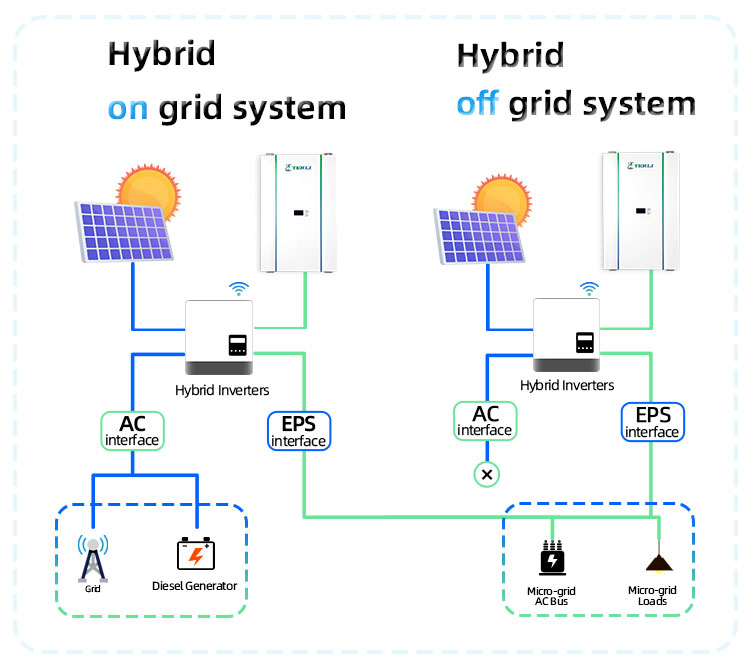
Choosing the right inverter technologies changes how your solar system works. Think about if you need a solar inverter for your house or your business. Your choice changes how much energy you make and how much you pay. It also affects how easy it is to add batteries or make your solar system bigger later. Many people now use high-efficiency inverters and hybrid solutions. Here are some facts:
| Inverter Type | Adoption Rate/Trend |
| High-efficiency inverters | Expected to represent 40% of new deployments |
| Hybrid energy solutions | Adoption increasing by 15% by 2035 |
| Residential and small-scale commercial PV | Account for over 45% of new deployments |
The inverter technologies you pick change how well your system works. They also affect how reliable it is and how easy it is to install. Your choice matters for growing your system and using batteries at home or for bigger needs.
Key Takeaways
Picking the right inverter affects how well your solar system works. Microinverters work best if your roof has shade. String inverters are good for sunny and simple roofs.
Think about how much each inverter costs and what you get. Microinverters cost more at first but can make more energy when sunlight is not perfect.
Plan if you want to add more panels later. Microinverters and hybrid inverters make it easy to grow your solar system. String inverters might need to be replaced if you want big upgrades.
Check if you want to use batteries. Hybrid inverters work with batteries easily. They give backup power and help you use your own energy. String and microinverters need extra parts to use batteries.
Watch your system closely. Microinverters let you see how each panel is working. This helps you find and fix problems fast. It makes sure your system makes as much energy as possible.

Why Inverter Technologies Matter
System Performance
You want your solar system to work well every day. Inverter technologies are important for this. The design and materials inside each inverter change how much energy you get. Newer inverter technology uses special materials like silicon carbide and gallium nitride. These materials help some inverters reach over 98% efficiency. Picking the right size inverter helps you save energy. If your inverter is too small, it can waste extra power. If it is too big, it may not work well with low energy. Microinverters often give you more power over time. This is true if your roof has shade or different angles. String inverters can lose power if one panel gets shaded. This is called the "Christmas light effect." Microinverters usually make 5-10% more energy in these cases.
Tip: Microinverters are best for roofs with shade or different directions.
| Inverter Type | Performance in Shading | Monitoring Capabilities | Ideal Application |
| String Inverter | Low | Basic (system-level) | Even, unshaded rooftops |
| Microinverter | High | Advanced (panel-level) | Complex or shaded installations |
| Hybrid Inverter | Medium | System + battery tracking | Homes with storage plans |
Cost and Value
You want to know how much each inverter costs. Here are the average prices:
| Type of Solar Inverter | Average Cost per Inverter |
| String Inverter | $800–$2,500 |
| Microinverter | $150–$350 |
| Hybrid Inverter | $1,000–$5,000 |
Solar power gives you about 35% return on investment. This means you save money over time. You may pay more for a better inverter at first. Microinverters can cost more, but they give you more energy if your roof is not perfect.
Battery and Expansion
You might want to add batteries or more solar panels later. Hybrid inverters make this easy to do. They work with batteries and let you grow your system step by step. Some inverters have modular designs. This means you can add more power as you need it. Battery management systems in hybrid inverters help batteries last longer and work better. If you want to expand or add storage, look for inverter technologies that support these features.
Types of Solar Inverters
You have a few choices for solar inverters. Each type works in its own way. Some are better for certain needs. The main types are string inverters, microinverters, and hybrid inverters.
String Inverters
String inverters link many solar panels together. One inverter controls a group of panels. These are common for homes and businesses with simple roofs. They last about 10 to 15 years. The setup is easy and costs less at first. If one panel is shaded, all panels lose power. You can only check the whole system, not each panel. String inverters fail more often in the first two years than other types.
| Feature | String Inverters |
| Performance in Shading | Shading on one panel lowers power |
| System Efficiency | Efficiency drops in bad conditions |
| Safety Considerations | High-voltage DC can cause fire risk |
| Monitoring | Only system-level monitoring |
| Installation Complexity | Easy to install |
| Lifespan | Lasts 10–15 years |
Microinverters
Microinverters are attached to each solar panel. You can check each panel’s power. They help your system work better. Each panel works alone. If one panel is shaded, the others still make power. Microinverters last 20 to 25 years. They fail less in the first two years. The setup is harder, but you can add more panels easily. Microinverters help you get more energy when conditions change.
Microinverters let each panel work by itself.
Shade on one panel does not stop the others.
If one microinverter fails, only one panel is affected.
Hybrid Inverters
Hybrid inverters work with solar and batteries. Use them if you want backup power or energy independence. Hybrid inverters let you add batteries and more panels later. You get backup power during blackouts and can grow your system. Hybrid inverters cost more and need expert setup. You must take care of both the inverter and batteries. Batteries do not last as long as the hybrid inverter.
| Advantages | Disadvantages |
| You can be energy independent | Costs more at first |
| Saves money over time | Harder to install |
| Gives backup power | Needs regular care |
| Works with many solar setups | Batteries wear out faster |
| Power during blackouts | Loses some power when charging |
Tip: Pick hybrid inverters if you want batteries or backup power for your home or business.

How Solar Inverters Work
String Inverter Function
A string inverter links solar panels together in a line. All the panels send power to one main inverter. This inverter changes DC power into AC power for your building. String inverters work well, with 95% to 98% efficiency. If one panel is shaded or broken, all panels lose power. The inverter treats every panel as one group. String inverters are used on roofs with even sunlight and simple shapes. The inverter uses mppt to find the best power for the whole group.
If your string inverter breaks, your whole solar system stops until you fix it.
Microinverter Function
Microinverters are different from string inverters. You put a microinverter on each solar panel. Each panel works by itself. This helps you get more energy if your roof has shade or panels face different ways. Microinverters can make 5% to 25% more energy than string inverters. If one panel has trouble, the rest keep working. Microinverters make less heat, so they last longer. You can check each panel’s power easily. This helps you find and fix problems faster. Microinverters break less often in the first two years than string inverters.
| Inverter Type | Failure Rate (first 2 years) | Reliability Score |
| Microinverters | Less than 1 in 800 | Higher than string inverters |
| String Inverters | About 1 in 350 | Lower than microinverters |
Microinverters make it easy to grow your solar system. You just add more panels and microinverters when you need them.
Hybrid Inverter Function
A hybrid inverter controls solar panels, batteries, and the grid. It changes DC power from panels into AC power for your home. The hybrid inverter moves energy between panels, batteries, and the grid. It uses solar power first. Extra energy goes to your battery or the grid. When you need more power, it takes energy from the battery or the grid. This helps you use solar energy in the best way. Hybrid inverters work as well as string inverters and have smart battery control.
Hybrid inverters switch between solar, battery, and grid power.
You get backup power if there is a blackout.
The system helps you save money by using stored solar energy when electricity costs more.
Comparing Inverter Technologies
Performance & Efficiency
You want your solar panels to make lots of energy. The inverter you pick changes how much power you get. String inverters work best if your roof gets sunlight all day. If one panel gets shade, all panels lose power. Microinverters let each panel work by itself. You still get good energy if some panels have shade or face other ways. Hybrid inverters work well with batteries. Their performance in shade is like string inverters.
Here is a quick look at how each inverter type compares:
| Inverter Type | Efficiency (%) | Performance in Shading | Best Use Cases |
| String Inverters | 95–98 | Reduced by shading | Consistent sunlight exposure |
| Microinverters | 90–95 | Maintains performance | Uneven sunlight exposure |
| Hybrid Inverters | 95–98 | Similar to string | Time-of-use billing, outages |
Tip: Microinverters help you get more energy if your roof has shade or faces different ways.
Cost & Installation
Cost is important when you choose inverter technologies. String inverters cost the least at first. Microinverters cost more, but they give you more energy if your roof is not perfect. Hybrid inverters cost the most. They work with batteries and need expert help to install.
String inverters are easy and quick to install. Microinverters take more time and work. You pay about $500 more for microinverters than string inverters. Each microinverter adds $50–$100 in labor. Hybrid inverters need special setup, so the price goes up.
| Component | String Inverter | Microinverters | Hybrid Inverters |
| Installation Cost | $3,000 | $3,500 | $4,000–$6,000+ |
Reliability & Maintenance
You want your inverter to last a long time. Microinverters fail less than string inverters. Out of 800 microinverters, only one fails in two years. String inverters fail more, about one in every 350. Hybrid inverters last as long as string inverters, but batteries may need to be replaced sooner.
If a microinverter fails, only one panel stops working. If a string inverter fails, all panels stop. Microinverters cost a bit more to fix, but you lose less power and fix problems faster.
Microinverters: Less than 1 in 800 fail, repair cost $464.90.
String inverters: About 1 in 350 fail, repair cost $432.54.
Microinverters have fewer warranty claims (0.0551%) than string inverters (1.03%).
Monitoring & Troubleshooting
New inverter technologies let you watch your solar energy in real time. Microinverters let you see each panel’s power. String inverters show you the whole system, not each panel. Hybrid inverters let you check both solar and battery power.
Real-time monitoring helps you find problems fast.
You get alerts if a panel or inverter has trouble.
Easy apps let you check your system on your phone or computer.
Note: Microinverters help you find and fix problems quickly with panel-level monitoring.
Scalability & Expansion
You may want to add more panels later. Microinverters make this easy. You just add a new panel and microinverter. String inverters work best for big systems, but adding more panels later is hard. You might need a new string inverter if you grow your system. Hybrid inverters are flexible, especially if you want batteries later.
| Inverter Type | Scalability Features | Cost-Effectiveness |
| Microinverters | Easy to add panels, no system upgrade needed | Higher initial cost for small systems |
| String Inverters | Good for large systems, harder to expand later | Lower per-watt cost for big setups |
| Hybrid Inverters | Flexible, easy to add batteries and panels | Cost varies by setup |
Microinverters are best if you want to grow your solar system.
String inverters work well for big systems from the start.
Hybrid inverters let you expand and add storage as your needs change.
Battery Compatibility
Hybrid inverters work with batteries right away. You can store extra solar energy and use it when you need it. String inverters and microinverters need extra equipment to work with batteries. If you want backup power or to use more solar energy, hybrid inverters are best.
Hybrid inverters manage solar, battery, and grid power.
You get backup power during outages.
You can add batteries later if you start with a hybrid inverter.
Best Applications
Each inverter technology fits different needs. String inverters are best for simple, sunny roofs. Microinverters are great for roofs with shade or complex shapes. Hybrid inverters help you be energy independent and work well if you want backup power.
| Inverter Type | Common Applications |
| String Inverters | Simple, unshaded rooftops; homes with steady sunlight |
| Microinverters | Complex roofs, partial shading; need for panel-level performance insights |
| Hybrid Inverters | Energy independence, backup power; areas with outages or high electricity costs |
Picking the right inverter technology helps you get the most from your solar panels. Think about your roof, your budget, and your future plans.
Side-by-Side Comparison Table
| Feature | String Inverters | Microinverters | Hybrid Inverters |
| Performance | High (unshaded) | High (even with shading) | High (with battery option) |
| Efficiency | 95–98% | 90–95% | 95–98% |
| Cost | Lowest upfront | Higher upfront | Highest upfront |
| Installation | Easiest | More time and labor | Most complex |
| Reliability | Good, more failures | Best, fewer failures | Good, battery may wear |
| Maintenance | System-level | Panel-level, faster fix | System + battery care |
| Monitoring | System-level | Panel-level | System + battery |
| Scalability | Harder to expand | Easy to expand | Flexible |
| Battery Compatibility | Needs extra equipment | Needs extra equipment | Built-in |
| Best Use | Simple, sunny roofs | Shaded, complex roofs | Backup, energy independence |
Choosing Your Solar Inverter for Home or Business
Picking the right solar inverter changes how your system works. You need to think about your roof, shade, system size, battery plans, and how you want to install solar. Here is how you can choose the best solar inverter for your needs.

Roof & Shading
Your roof’s shape and shade matter a lot. If your roof has many angles or trees, microinverters are a good choice. Microinverters go on each panel. Shade on one panel does not hurt the others. You get steady power even if panels face different ways. Microinverters let you check each panel’s power. This makes it easy to find problems.
If your roof gets sun all day and is simple, string inverters work well. String inverters link groups of panels. If one panel gets shade, the whole group loses power. Power optimizers or multi-MPPT inverters can help with shade. Microinverters still work best for roofs with lots of shade or odd shapes.
A homeowner used microinverters and moved panels to sunny spots. This cut shade loss to less than 5%. Microinverters help you get more energy from every panel, even on tricky roofs.
System Size & Growth
Think about how big your solar system is now. Also think about how much you want to grow it later. If you want to start small and add more panels, microinverters make it easy. You just add a panel and microinverter when you need more power. Hybrid inverters also let you add batteries or panels as you need.
String inverters work best for big systems that will not change much. If you want to grow your system, you may need a new string inverter or extra parts. Always match your inverter’s size to your solar panels’ peak power. Some experts say to size your inverter between 75% and 100% of your panels’ DC rating. Making your panels a bit bigger (up to 133%) can help you get more power.
| Inverter Type | Best For | Growth Options |
| String inverters | Large, fixed systems | Harder to expand |
| Microinverters | Small or growing systems | Easy to add panels |
| Hybrid inverters | Flexible, future upgrades | Add panels and batteries anytime |
Tip: If you want to join a virtual power plant or use smart grid features, pick smart or hybrid inverters with advanced controls.
Battery Storage
If you want to store solar energy for night or outages, hybrid inverters are best. Hybrid inverters control both solar panels and batteries. You can add batteries now or later. The system works smoothly. You get backup power and save money on bills. It can also make your home worth more and may help you get tax breaks.
String inverters and microinverters need extra parts to work with batteries. If you already have a solar inverter and want storage, check if your inverter can add more batteries. Some systems, like SolarEdge, let you add batteries as you need. Always make sure your inverter can handle extra storage.
| Feature | Hybrid Inverter | String/Microinverter with Add-ons |
| Battery Integration | Built-in | Needs extra equipment |
| Backup Power | Yes | Limited or none |
| Easy Upgrades | Yes | Sometimes |
Getting a solar battery system with a hybrid inverter can lower your bills and give you more control over your energy.
Installation Preferences
How you want to install your system matters. If you want a quick, simple setup, string inverters are easy and cost less. Microinverters take more time and work, but you get better monitoring and easy expansion. Hybrid inverters need expert help because they control both solar and batteries.
When you plan your install, think about these things:
Power needs and peak demand
Shade and roof shape
Budget for parts and labor
Solar panel layout and future changes
Warranty coverage (look for 5–12 years or more)
Smart monitoring for real-time tracking
Note: Always use UL-certified parts and follow safety rules. Good sizing and expert installation help your solar inverter last longer and work better.
If you want smart features like real-time alerts, pick inverters with smart monitoring. This helps you find problems early and keep your system working well.
Picking the right solar inverter means looking at your roof, system size, battery plans, and how you want to install solar. Microinverters are best for shaded or tricky roofs and easy growth. String inverters fit simple, sunny roofs and big, fixed systems. Hybrid inverters give you the most options for batteries and upgrades. Always match your inverter’s size to your solar panels, check for smart features, and pick a warranty that protects your investment.
Concerns & Real-World Examples
Shading & Panel Mismatch
Shade and panel differences can cause problems for solar systems. If you use a string inverter, shade on one panel lowers power for all panels. Microinverters fix this because each panel works alone. Shade on one panel does not stop the others from making energy. You also do not lose as much power from panel mismatch. Over time, small differences between panels can lower your energy. Microinverters help you get more energy from every panel.
| Inverter Technology | Common Concerns Related to Shading and Panel Mismatch |
| String Inverters | Shading creates a bottleneck effect, reducing overall energy generation due to linked panel performance. |
| MLPE Technology | Each panel operates independently, mitigating shading effects and allowing unshaded panels to perform at full capacity. |
| General Concerns | Inherent panel mismatch can lead to significant production losses over time due to manufacturing tolerances and degradation rates. |
Tip: Microinverters work well if your roof has trees or panels face different ways.
Upgrades & Expansion
You may want to make your solar system bigger or add new features. Before you upgrade, check if your inverter can handle more panels or batteries. Microinverters make it easy to add more panels. You just add a new panel and microinverter when you need more power. String inverters are good for big systems, but you might need a new inverter if you add many panels. Hybrid inverters let you add batteries and panels as your needs change.
| Aspect | Description |
| Integration | Inverter drives are integrated into existing automation systems using protocols like EtherCAT, Modbus, or ProfiNet. |
| Compatibility | Ensures seamless operation with PLCs, SCADA systems, and IoT platforms. |
| Regulatory Compliance | Adherence to standards such as CE, UL, or IEC is critical for installation. |
| Installation Process | Typically installed during system upgrades or new setups, adaptable to various control modes. |
| Maintenance | Proper tuning and maintenance are essential for maximizing lifespan and performance. |
Note: Microinverters let you grow your system step by step without changing everything.
Case Studies
You can learn from real examples. Microinverters are best for homes with shade or small energy needs. String inverters fit big buildings and solar farms. Hybrid inverters are good for homes with batteries.
Microinverters give you shade tolerance, better monitoring, and flexible design. They cost more and can be harder to fix.
String inverters save money at first and are easy to install. Shade lowers their power and they are less flexible.
Hybrid inverters let you use batteries and manage energy well. They cost more and are harder to install.
| Inverter Type | Advantages | Disadvantages | Applicable Scenarios |
| Microinverters | Shading tolerance, enhanced monitoring, flexible system design | Higher cost, complex maintenance | Homes with shading issues, small electricity demand |
| String Inverters | Lower initial cost, simpler installation and maintenance | Shading effect, less flexibility, shorter warranty, less precise monitoring | Commercial, industrial, utility-scale solar power plants |
| Hybrid Inverters | Battery compatibility, energy management, potential for off-grid capability | Higher cost, complexity in installation | Homes with battery storage solutions |
If you want a solar system that grows with you and works well in shade, microinverters are a smart choice.
There are many solar inverter choices. Microinverters are good for roofs with shade. They also help if panels face different ways. String inverters work well for big, sunny roofs. They fit simple roof layouts best. Hybrid inverters let you use batteries and add upgrades later. When you compare inverters, check how efficient they are. Look at how they manage power and handle changes in energy use. Think about your roof and how much money you want to spend. Also, plan if you want to make your system bigger later. Ask a solar expert or use a checklist before you pick. You can find the best inverter for your needs.
FAQ
What happens if my inverter fails?
If your string inverter fails, all panels stop working. If a microinverter fails, only one panel stops. Microinverters are quicker to fix. Always check your warranty for repair or replacement.
Can I add batteries to my solar system later?
Yes, you can add batteries later. Hybrid inverters make adding batteries simple. String or microinverters may need extra parts. Ask your installer about battery compatibility before buying.
How do I know if my panels are working well?
You can use apps to check your solar system. Microinverters show power for each panel. String inverters show the whole system’s power. Watch for alerts or drops in energy to find problems early.
Are microinverters worth the extra cost?
Microinverters cost more at first. They work better on shaded or tricky roofs. You get to see each panel’s power. If your roof has shade or faces different ways, microinverters help you get more energy.
Do I need professional help to install an inverter?
Yes, you should hire a professional installer. Solar inverters use high voltage. Proper installation keeps you safe and protects your warranty. Certified installers help you pick the best inverter for your needs.