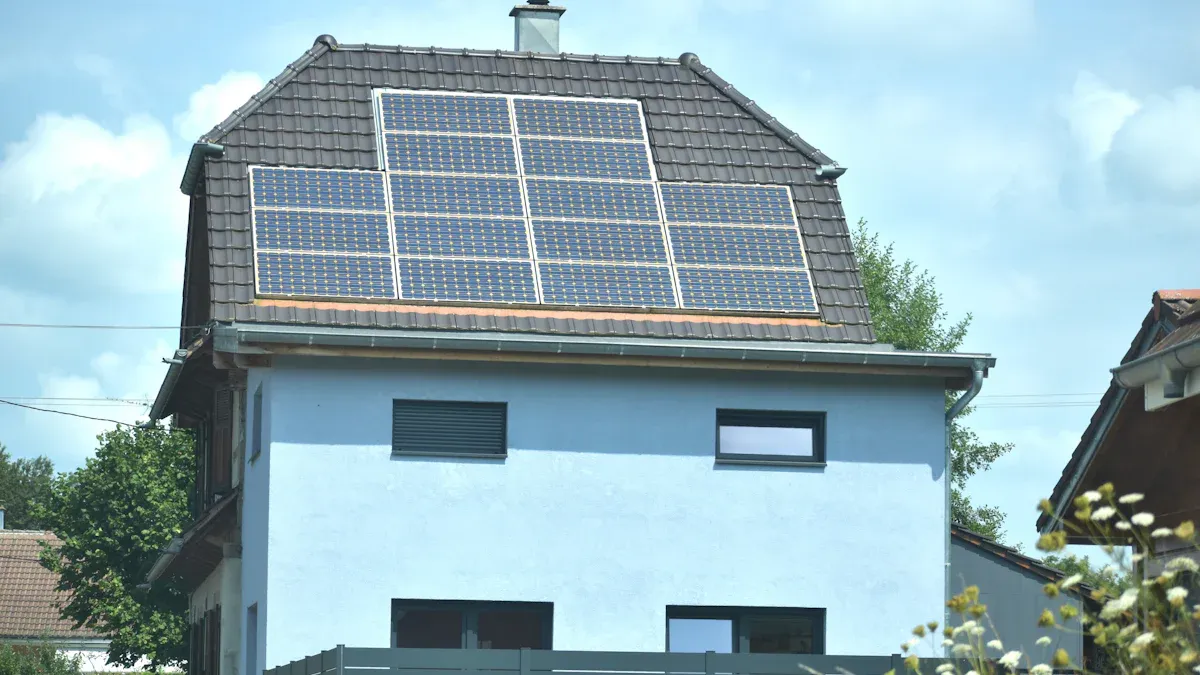
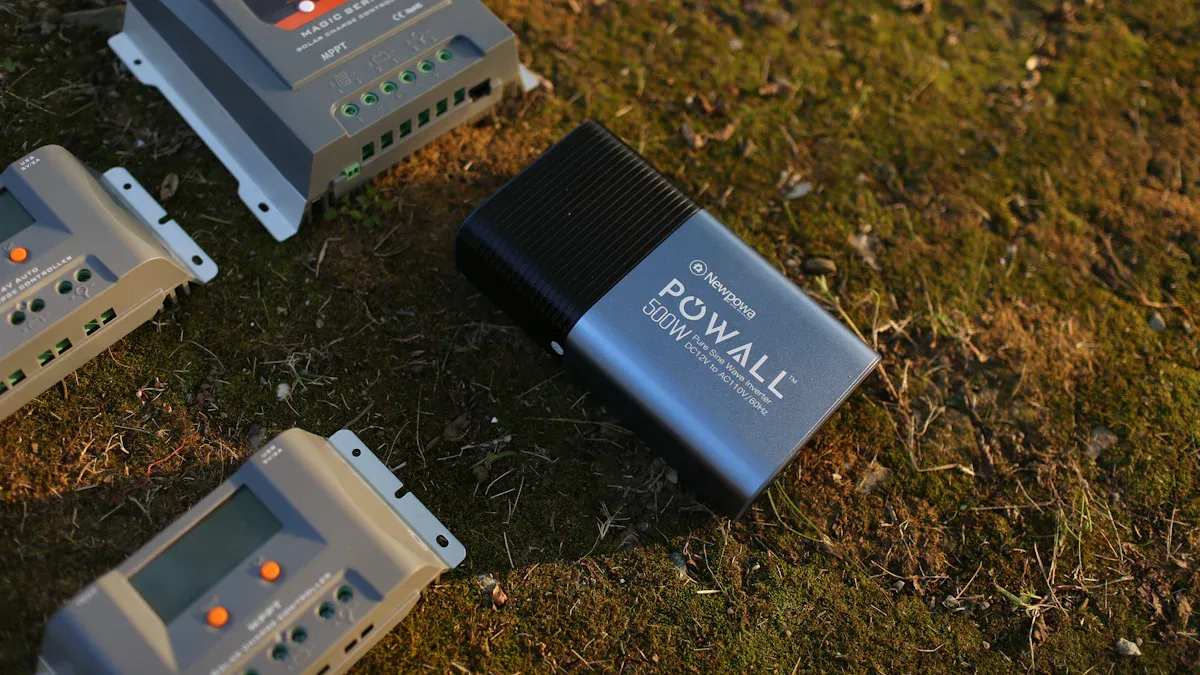
You will see an important difference between energy storage inverters and photovoltaic inverters. Energy storage inverters can move power both ways. This means you can store energy and use it later. Photovoltaic inverters only turn solar DC into AC for you to use right away.
Energy storage inverters send power in two directions. This lets you charge and use energy, which helps you save energy.
The world market for photovoltaic inverters was worth more than USD 13 billion in 2023 and is growing quickly. Battery storage inverters are also getting bigger, reaching over USD 8 billion in 2025.
Key Takeaways
Energy storage inverters can send power both ways. They let you keep energy for later. This helps you save money. It also gives you backup power if needed.
Photovoltaic inverters change solar energy into electricity right away. They do not keep energy for later. You must use the power now or send it to the grid.
Picking the right inverter depends on what you need. If you want backup power, choose an energy storage inverter. If you only need power during the day, a photovoltaic inverter is enough.
Energy storage inverters can help you pay less for electricity. You can use stored energy when prices are high.
Think about local rules and rewards when picking an inverter. Many places give tax credits or rebates for solar energy systems.
Energy Storage Inverters vs Photovoltaic Inverter
What is an energy storage inverter?
You use energy storage inverters to control how electricity moves. They move power between batteries, solar panels, and your house or business. These devices change direct current from batteries into alternating current for your things. Energy storage inverters help store extra energy. They make sure you have power when you need it. You can charge batteries during the day. You can use stored energy at night or if the power goes out. The inverter sends power both ways. This means you can charge and use batteries when you want.
Note: Energy storage inverters help you save energy. They keep your power steady, even when there is no sun.
Here is a table that shows the main parts of energy storage inverters and what they do:
Component
Function
Photovoltaic Panels (PV)
Make electricity from sunlight and give direct current (DC).
Energy Storage Batteries
Hold extra electricity for things like lights and appliances.
Hybrid Inverter
Changes DC to AC, controls energy flow, and keeps the system working together.
Utility Grid Interface (optional)
Gives backup power to keep electricity on all the time.
Load
Things that use electricity, like lights and appliances.
During the day, solar panels make electricity. The inverter changes DC to AC for your things. Extra energy goes into batteries.
At night or when there is not much sun, the system uses battery power to keep your lights and appliances on.
If the battery gets low, the system uses grid power.
When the power goes out, the inverter quickly uses battery power so you still have electricity.
What is a photovoltaic inverter?
"A solar inverter or photovoltaic (PV) inverter is a type of power inverter which converts the variable direct current (DC) output of a photovoltaic solar panel into a utility frequency alternating current (AC) that can be fed into a commercial electrical grid or used by a local, off-grid electrical network."
You use a photovoltaic inverter to turn solar energy into electricity you can use. This device takes DC from solar panels and changes it to AC. You can use this power right away or send it to the grid. The inverter only moves power one way, from the panels to your things or the grid.
Most grid-tied photovoltaic inverters work very well, over 95% efficiency. This means you get almost all the energy from your solar panels.
Energy storage inverters let you control your energy more. You can save power and use it later. Photovoltaic inverters let you use solar energy as soon as it is made. You pick the right inverter based on how you want to use your energy.
Key Differences Between Energy Storage Inverter and Photovoltaic Inverter
Functional Differences
Energy storage inverters and photovoltaic inverters work in different ways. Energy storage inverters can send power both ways. They charge batteries and also use stored energy. This helps them manage how energy moves in a system. They can give backup power, help save money, and keep things running smoothly. These inverters work well with energy management systems and battery management systems. They help use energy in the best way.
Photovoltaic inverters only change DC from solar panels into AC. You can use this power right away or send it to the grid. Their power only goes one way, from the panels to your home or the grid. They cannot store energy or control batteries. Their main job is to use as much solar energy as possible during the day.
Energy storage inverters can handle more complex jobs. They charge and use batteries, which is important for backup power. They can also work when the grid is down or in off-grid places. Photovoltaic inverters do not have these features.
Application Scenarios
People use energy storage inverters when they need good energy control and steady power. Homes use them to save solar energy, have backup power, and lower bills. Businesses use them to cut costs and keep working during power cuts. Microgrids and faraway places use them to get steady power when the grid is weak or missing. Big power projects use them to help the grid and add more renewable energy.
Photovoltaic inverters are common in homes, businesses, and big solar farms. Families use them to make their own power and use less from the grid. Companies put them on roofs to meet high energy needs and sell extra power. Off-grid places use them to keep important things running. They also help with energy storage stations and charging electric cars by using solar power well.
Technical Features
Energy storage inverters have special features that make them different. They can work without the grid or in islanded mode. They send power both ways, so they can charge and use batteries. They need smart controls to do this. They work with battery management systems and are very efficient, so little energy is lost.
Photovoltaic inverters focus on turning solar energy into AC power. They are simple and reliable. Their controls are not as complex because they only move power one way. They do not manage batteries but are great at using solar energy during the day.
Energy storage inverters can be expanded and follow safety rules. They have safety parts to protect batteries from problems. Photovoltaic inverters do not need these battery safety features as much.
Energy Storage Inverter Pros & Cons
Advantages
Energy storage inverters give your home or business many good things. They let you keep extra solar energy for later. You can use this power at night or when the power goes out. This means you do not have to use only the grid. You can save money by using your own energy when prices are high.
Stores extra solar energy in batteries without needing a separate battery inverter.
Improved Energy Efficiency
Reduces your need for grid power, especially during peak times.
Backup Power Capabilities
Keeps your lights and appliances running during outages.
Long-Term Cost Savings
Helps lower your electricity bills by using more of your own solar energy.
You also get more control over how you use energy. These inverters let you use energy when it costs less. You can send extra power to the grid or use it for important things in emergencies. Energy storage inverters work well with energy storage systems. This makes your setup smarter and more steady.
Tip: Using energy storage inverters helps you be more independent and is better for the environment.
Limitations
There are some hard parts about using energy storage inverters. The first thing you may see is the high starting cost. Buying and putting in these inverters and batteries costs a lot. You may need experts to set up and take care of the system. This makes it cost more and harder to use.
High initial costs for hardware, installation, and maintenance.
Complex design and setup, especially when connecting with batteries.
Need for skilled professionals to manage and maintain the system.
Battery management systems must work well to protect your batteries.
It can be hard to know how much money you will save over time. The system must work well with your solar panels and batteries. If not, you might not get the best results. Remember, energy storage inverters last up to 25 years, but they might need fixing or replacing as they get older.
Photovoltaic Inverter Pros & Cons
Advantages
Photovoltaic inverters give your solar system many good things. They help turn sunlight into electricity you can use right away. Modern photovoltaic inverters work very well, often over 98% efficient. This means almost all the energy gets used and not wasted.
Tip: To get more energy from your solar panels, pick inverters with Maximum Power Point Tracking (MPPT). MPPT can help you get up to 30% more energy.
You also get these benefits:
Microinverters let you check each solar panel. You can find problems early and fix them fast.
You can add more panels easily. Microinverters are good for roofs with shade or tricky shapes.
You see real-time data about how your system works. This helps you use energy smartly and spot issues quickly.
Microinverters sit close to each panel. This setup makes your system work better, even if your roof has shade or different angles.
Here is a table showing how photovoltaic inverters help your solar power system:
Feature
Benefit
Maximum Power Point Tracking
Helps you get up to 30% more energy
High Conversion Efficiency
Gives you more electricity (often over 98% efficient)
Photovoltaic inverters have some limits you should know. They cannot store energy. You must use the electricity right away or send it to the grid. If you want backup power or more control, you need batteries and other equipment.
You may face these problems:
Grid stability can be hard. Fast changes in sunlight can make the grid less steady.
Power quality may drop. Inverters can add small electrical noises that affect sensitive devices.
Old grid systems may not handle lots of solar power well. They may not have the tools to manage changing energy flows.
Protection systems may not work right. This can cause false alarms or reliability issues.
Note: If you live in a hot, humid, or dusty place, pick an inverter made for tough conditions. This helps your system last longer and work better.
Choosing the Right Inverter
Selection Factors
When you pick between energy storage inverters and photovoltaic inverters, you should think about a few key things. First, decide what you want from your energy system. Do you need backup power or just want to use solar energy during the day? If you want to save energy for later, energy storage inverters are better. If you only need to use solar power as it is made, a photovoltaic inverter might be enough.
You also need to think about how much money you want to spend at first. Some systems come all together in one box. Others let you choose each part by yourself. The table below shows how these choices are different:
Aspect
All-in-One Energy Storage System
Modular Inverter + Battery System
Core Value Proposition
Simple, reliable, and works well right away.
Flexible, costs less, and lets you pick parts.
Installation & Deployment
Saves time and work. Already set up and tested.
Harder to put together, needs more checks.
Upfront Cost
Costs more for each kWh because it is all together.
You need to pick the inverter that fits what you want. If you want backup power or to use energy when the grid is off, energy storage inverters are best. These inverters let you keep energy and use it when you need it. If you just want a simple system for daytime use, a photovoltaic inverter is a good choice.
Is your system going to be simple or more complex?
How much money do you want to spend?
Are there any local rules or rewards?
The table below shows how each inverter type fits different needs:
Feature
Energy Storage Inverters
Photovoltaic Inverters
Grid-Forming Capability
Can work off-grid and give backup power
Does not do this
High Efficiency
Tries to save as much energy as possible
Focuses on turning solar energy to AC
Scalability
Can add more parts for bigger systems
Usually stays the same size
Communication Protocols
Works with BMS and EMS to connect everything
Not many ways to talk to other devices
User-Friendly Interface
Has easy software to help you use it better
Only basic ways to check how it works
Certifications
Follows world rules for safety and use
Rules depend on the model
Tip: Always check the rules in your area and see if you can get money back before you buy. This helps you choose the best inverter for your home or business.
Now you know how energy storage inverters and photovoltaic inverters are different. Energy storage inverters can move power both ways. They help you save energy to use later. Photovoltaic inverters only change solar energy so you can use it right away. Use this checklist to help you pick the best inverter for you:
Make sure your inverter can handle your power needs
Choose the inverter type that fits your system plan
Check how well MPPT works
Make sure batteries and controls work together
Check for safety labels and protections
Look at how you can watch your system
Think about how much it will cost over time
See if the brand is trusted and has a good warranty
Knowing these things helps you build a system that saves energy and keeps your power on.
What is the main difference between an energy storage inverter and a photovoltaic inverter?
An energy storage inverter lets you save energy for later. A photovoltaic inverter changes solar power into electricity you use right away. Energy storage inverters can send power both ways. Photovoltaic inverters only send power one way.
Can you use a photovoltaic inverter with batteries?
No, you cannot hook up batteries straight to a photovoltaic inverter. You need an energy storage inverter or a hybrid inverter to store energy in batteries. Photovoltaic inverters only work with solar panels.
Do energy storage inverters work during a power outage?
Yes, energy storage inverters can keep your lights and appliances on if the power goes out. They use battery energy to give you power when the grid is down.
How do you choose the right inverter for your home?
Ask yourself these questions:
Do you want backup power?
Do you want to save energy for later?
How much money can you spend? If you want backup and storage, pick an energy storage inverter. If you just want simple solar power, choose a photovoltaic inverter.
Which inverter is more expensive?
Inverter Type
Typical Cost Range*
Energy Storage Inverter
Higher (includes battery)
Photovoltaic Inverter
Lower
*Energy storage inverters cost more because they work with batteries and have extra features.